
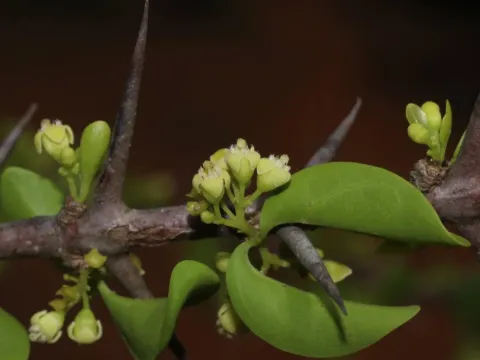
Canthium
Canthium
The propagation of Canthium is primarily achieved through seeds or stem cuttings. For seed sowing, a well-drained medium consisting of peat and perlite is essential to ensure proper moisture management and prevent fungal infections at the seedling stage.
What the section contains
 Canthium ciliatum
Canthium ciliatum
Canthium ciliatum
 Canthium coromandelicum
Canthium coromandelicum
Canthium coromandelicum
 Canthium crassum
Canthium euryoides
Canthium euryoides
Canthium crassum
Canthium crassum
Canthium euryoides
Canthium euryoides
 Canthium gilfillanii
Canthium gilfillanii
Canthium gilfillanii
 Canthium hispidum
Canthium hispidum
Canthium hispidum
 Canthium horizontale
Canthium horizontale
Canthium horizontale
 Canthium inerme
Canthium inerme
Canthium inerme
 Canthium lactescens
Canthium lactescens
Canthium lactescens
 Canthium molle
Canthium molle
Canthium molle
 Canthium mundianum
Canthium mundianum
Canthium mundianum
 Canthium rheedei
Canthium rubrocostatum
Canthium rubrocostatum
Canthium schimperianum
Canthium schimperianum
Canthium vulgare
Canthium vulgare
Small-leaved Canthium
Canthium parvifolium
Canthium rheedei
Canthium rheedei
Canthium rubrocostatum
Canthium rubrocostatum
Canthium schimperianum
Canthium schimperianum
Canthium vulgare
Canthium vulgare
Small-leaved Canthium
Canthium parvifolium
Canthium
Seeds should be sown at a shallow depth of approximately 1 centimeter. Germination typically requires a consistent temperature range between 22°C and 25°C, along with high humidity levels to simulate the plant's natural tropical habitat.
Stem cuttings are often preferred for cloning desirable traits. Semi-hardwood cuttings taken during the growing season have the highest success rate when treated with a rooting hormone and placed in a misting environment.
Once seedlings or rooted cuttings have established a strong root system, they are transitioned to larger containers or permanent growing sites. Gradual acclimatization to ambient conditions is necessary to prevent transplant shock.
Regular maintenance during the establishment phase includes monitoring soil moisture and providing adequate shade to protect young plants from intense direct sunlight which can scorch tender foliage.
Canthium belongs to the Rubiaceae family, a large group of plants that thrive in warm, tropical, and subtropical climates. They are typically characterized by their evergreen nature and shrub-like growth habits.
The ideal soil for Canthium is fertile, loamy, and slightly acidic to neutral. High organic matter content significantly boosts growth, while excellent drainage is non-negotiable to avoid root suffocation and decay.
Regarding light, these plants prefer filtered light or partial shade. While they can tolerate some direct morning sun, intense midday heat can stress the plants, necessitating the use of shade cloth in exposed agricultural settings.
Water requirements remain high during the active growing season. However, it is vital to allow the top inch of soil to dry slightly between watering cycles to maintain a healthy oxygen-to-water ratio in the root zone.
Temperature sensitivity is a limiting factor for this crop. Canthium is highly intolerant of frost, requiring a frost-free environment to maintain metabolic activity, ideally keeping temperatures above 15°C throughout the year.
While not a major commercial staple crop, Canthium holds regional significance. In many tropical communities, the fruits of certain species are gathered and consumed as a traditional food source, providing essential vitamins.
The wood of several Canthium species is known for its durability and resistance to pests, leading to its localized use in manufacturing small household tools, walking sticks, or agricultural implement handles.
Research into the pharmaceutical potential of the genus has increased recently. Various extracts from the leaves and roots have shown bioactive properties that are being investigated for medicinal applications.
As a landscape plant, Canthium is highly valued for its aromatic flowers and dense, evergreen canopy, which makes it an excellent choice for hedge formation and ecological restoration in its native range.
Agricultural productivity is generally low on a mass-industrial scale; however, integrated agroforestry systems utilize the plant to provide ground cover and improve soil structure in degraded environments.
The most prevalent threats to Canthium include sap-sucking pests such as scale insects and spider mites. These pests thrive in dry environments and can cause severe leaf chlorosis and premature defoliation if left untreated.
Fungal diseases, including powdery mildew and various leaf spot pathogens, frequently occur in areas with poor ventilation and high atmospheric humidity. These conditions promote spore germination on the leaves.
Integrated Pest Management (IPM) strategies, including the use of neem oil or insecticidal soaps, are recommended to control pest populations without causing significant harm to the surrounding environment.
Ensuring proper plant spacing and conducting regular sanitation pruning are critical cultural practices to improve airflow and reduce the humidity levels that facilitate fungal growth within the canopy.
If soil-borne pathogens or root rot occur, it is essential to adjust the irrigation schedule immediately, improve soil drainage, and apply specific fungicides to salvage the plant's health.