
Canthium inerme
Canthium inerme
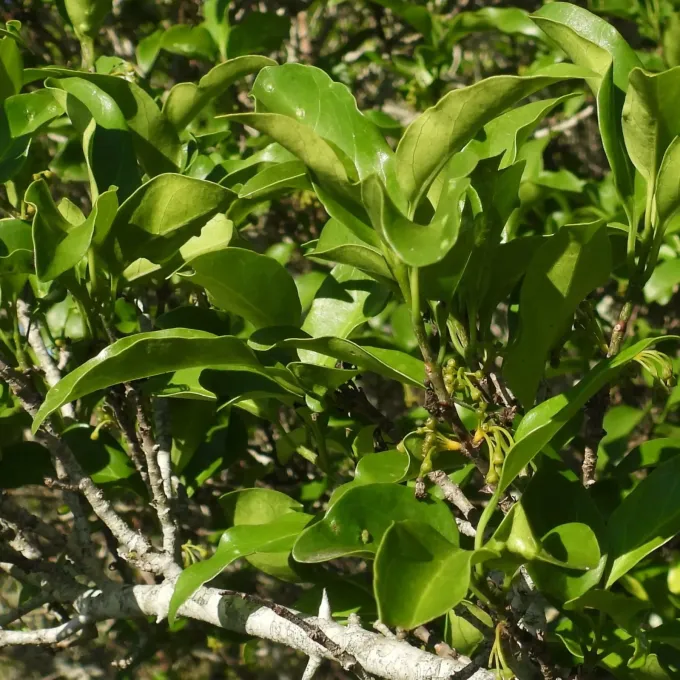
Description
Sowing dates
Canthium inerme, belonging to the Rubiaceae family, is a versatile shrub often propagated by seeds. Successful germination typically requires fresh seeds that are cleaned of their fruit pulp to avoid the presence of growth-inhibiting compounds.
The optimal sowing time is during spring when warm temperatures facilitate rapid development. Seeds should be planted in a well-draining soil mix at a shallow depth, ensuring the medium remains consistently moist during the critical early stages.
Vegetative propagation via cuttings is also a common practice. Semi-hardwood cuttings taken during the active growth period are treated with rooting hormones to enhance success rates, making it an efficient way to clone desirable specimens.
Proper spacing is crucial when transplanting young plants into the field. Adequate room allows for sufficient root development and air circulation, which are vital for the long-term health and stability of the mature tree.
Young seedlings require protection from harsh weather conditions during their first season. Gradually hardening off the plants before permanent outdoor placement helps ensure survival and robust growth in their new environment.
Growing requirements
This species thrives in sunny to partially shaded locations with well-drained, fertile soil. It exhibits high adaptability but performs best in substrates that mimic the moisture-retentive properties of its natural forest-edge habitat.
Watering management is essential, particularly during establishment. While mature plants show notable drought tolerance, supplemental irrigation during prolonged dry spells significantly boosts foliage density and overall plant vigor.
Temperature sensitivity is a limiting factor, as the species is adapted to mild, frost-free climates. In regions where temperatures dip near freezing, protective measures or indoor cultivation are required to prevent physiological damage.
Nutrient requirements are modest but regular organic enrichment of the soil supports sustained development. Applying a balanced fertilizer in early spring promotes lush growth and prepares the plant for the peak season.
The shrub is naturally resilient and can adapt to various light conditions. However, optimal exposure to morning sun and afternoon shade typically results in the healthiest foliage and the most consistent fruit production.
Yield
Canthium inerme is not primarily grown for commercial fruit yield, though its small, dark berries are ecologically significant. They provide a valuable food source for local bird populations, supporting biodiversity in garden ecosystems.
Fruit production generally commences a few years after planting. The volume of berries is highly dependent on environmental conditions and the overall health of the tree, which is managed through proper pruning and nutrition.
The wood of this species is valued for its fine, dense texture, making it suitable for small-scale carpentry and specialized woodcraft. Its durable nature makes it a practical resource for sustainable homesteading projects.
In landscaping, the yield of aesthetic value is high. The species is frequently utilized for hedging due to its dense, evergreen-like foliage, which responds well to regular shaping and trimming to create privacy screens.
By implementing professional maintenance cycles, landowners can optimize both the ecological and physical yields of the plant. Healthy management practices ensure the tree remains a functional and attractive component of the landscape.
Main diseases and pests
Common pests such as aphids, scale insects, and spider mites can infest the foliage, particularly in sheltered or poorly ventilated environments. Early detection and the use of insecticidal soaps help keep these populations under control.
Fungal pathogens causing leaf spots or rot can emerge if the environment is overly damp. Maintaining adequate air circulation within the canopy is the most effective cultural practice for preventing the spread of these diseases.
Root rot is a major threat linked to poor soil drainage. Ensuring that the planting site has an appropriate slope or drainage system is essential for preventing the waterlogging that leads to root system failure.
Leaf miners can be problematic, creating unsightly trails on leaves and reducing the photosynthetic efficiency of the plant. Monitoring and removing severely affected leaves can stop the lifecycle of the pest.
Regular sanitation, including the removal of dead or diseased branches, is vital for long-term health. Using sterilized tools for pruning minimizes the risk of introducing pathogens into the vascular system of the tree.
Harvesting
The harvesting of fruit is typically performed by hand once the berries reach full maturity. Monitoring the color change is the most reliable method for determining the peak harvest time for either consumption or seed collection.
For those harvesting timber, the winter dormancy period is the preferred time. Cutting during this time ensures lower moisture content in the wood, leading to better results during the subsequent drying and curing phases.
Collected seeds must be cleaned and dried immediately to prevent rotting. Properly stored seeds should be kept in a cool, dark, and dry environment to maintain their viability until the next sowing season.
Annual debris collection, including fallen leaves and twigs, should be integrated into the maintenance schedule. Composting this organic matter returns nutrients to the soil and improves its structure over time.
Pruning is essential for both shaping and harvesting. By removing excess growth, the plant is encouraged to direct its energy into healthy new shoots, ensuring a productive and manageable form for the following year.