
Callipeltis
Callipeltis
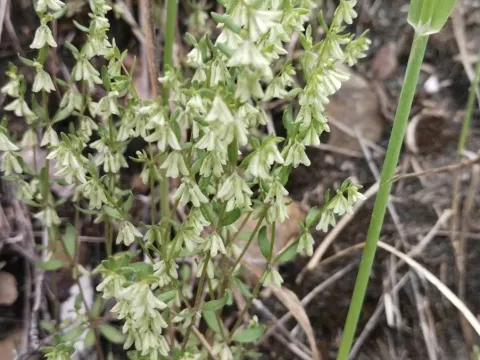
The genus Callipeltis belongs to the Rubiaceae family, comprising a specific group of annual herbs. These plants are known for their delicate structure and their ability to thrive in Mediterranean and Middle Eastern climates.
What the section contains

Callipeltis
The distribution of Callipeltis is primarily centered in regions characterized by distinct wet winters and dry summers. They are typically found in open, sunny locations where they complete their life cycle rapidly before the onset of summer drought.
Botanically, they are distinguished by their small, often inconspicuous flowers and bracts that play a protective role. The genus exhibits typical characteristics of the Rubiaceae, including opposite or whorled leaves and simple, often dry fruit structures.
Regarding soil requirements, these plants prefer well-drained, porous substrates. They show high adaptability to neutral or slightly alkaline soils common in limestone-rich areas where they often thrive in the wild.
While Callipeltis is not utilized as a crop for commercial agricultural production, it remains a significant taxon in ecological studies. Understanding the development of such species is essential for agronomists studying the natural vegetation of grasslands and arid agricultural landscapes.