
Canthium molle
Canthium molle
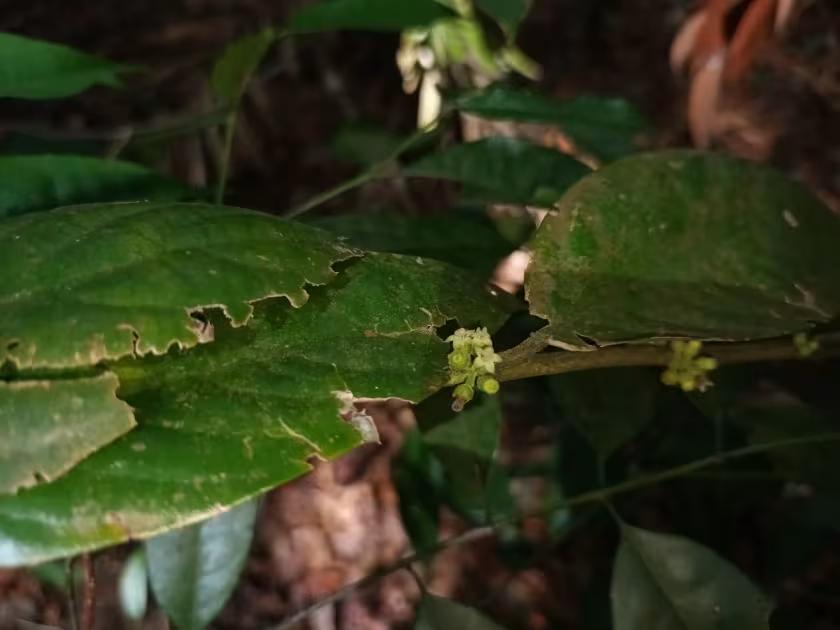
Description
Growing requirements
Canthium molle is a woody perennial shrub belonging to the Rubiaceae family. Native to the tropical regions of Africa, this plant is typically found in savanna woodlands and forest edges, where it forms an integral part of the local ecosystem.
Botanically, the species is distinguished by its pubescent (softly hairy) branches and dense, leathery foliage. The plant exhibits structural adaptations that allow it to persist in environments characterized by seasonal droughts and high evaporation rates.
In terms of climate, it thrives in tropical environments requiring consistent warmth, ideally between 22 and 30 degrees Celsius. It is relatively drought-tolerant once established but performs best when moisture is available during the active growing season.
Soil requirements focus on well-draining substrates to ensure root health. While the plant can adapt to various soil types, loamy soils rich in organic matter promote the most vigorous growth and development.
Economic and agricultural utility is primarily linked to local traditional medicine and ecological rehabilitation projects. It serves as a valuable resource for soil stabilization in susceptible tropical environments.
Main diseases and pests
Common pests include aphids and scale insects that colonize the tender young stems and leaves, often causing stunted growth if left unmanaged.
Fungal pathogens such as leaf spot fungi can become a significant issue during periods of high humidity, necessitating proper spacing to ensure adequate airflow.
Root rot caused by poor soil drainage remains the most severe threat to the health of the plant, often leading to rapid decline in infested specimens.
Weed competition during the seedling stage can significantly suppress the establishment of Canthium molle, requiring frequent manual or mechanical control.
Invasive vines and climbers in the wild can smother younger shrubs, highlighting the need for regular maintenance in managed or cultivated stands.