
Calycophyllum
Calycophyllum
Calycophyllum is a genus of tropical trees belonging to the Rubiaceae family. The most prominent species, Calycophyllum spruceanum, is native to the Amazon and Orinoco basins, thriving in the dense, humid rainforests of South America.
What the section contains

Calycophyllum
The cultivation of this species requires a tropical environment characterized by high annual precipitation and consistently warm temperatures. It prefers deep, nutrient-rich alluvial soils found along river floodplains where moisture levels remain high throughout the year.
Regarding soil requirements, the trees demand well-drained but fertile substrates. Proper drainage is essential to prevent root rot during heavy rainfall, while organic matter content ensures the rapid development typical of this pioneer forest species.
Agricultural management requires careful attention to light exposure. While mature trees tolerate full sun, saplings often benefit from partial shade provided by intercropping or natural forest cover during their initial growth stages.
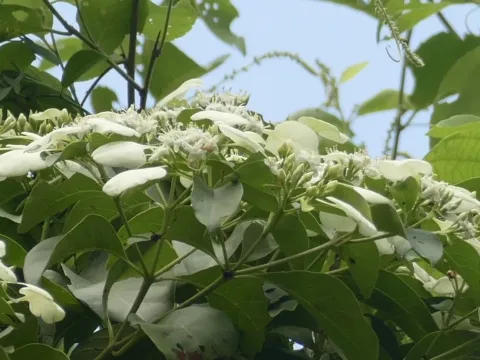
Botanically, these trees are distinguished by their smooth, peeling bark and clusters of small flowers accented by conspicuous, enlarged calyx lobes. These ornamental structures play a significant role in their pollination ecology within their native habitat.
The primary agricultural and industrial utility of Calycophyllum lies in its high-quality timber, often marketed as mulateiro. The wood is prized for its extreme density, durability, and resistance to fungi, making it ideal for flooring and furniture.
Harvesting strategies involve planned plantation management cycles that typically span two decades. Selective thinning ensures that the remaining trees have enough space and nutrients to reach optimal timber thickness.
Secondary use includes the extraction of bioactive compounds from the bark. Traditional and modern studies highlight its potential use in skincare and antiseptic applications, adding economic value to the plantation beyond simple timber yield.
The harvest process follows rigorous standards to maintain environmental sustainability. Modern techniques prioritize low-impact logging to ensure soil stability and long-term viability of the plantation site after the trees are removed.
The global demand for exotic, sustainable hardwoods supports the continued plantation of Calycophyllum. As techniques improve, this crop stands as a viable economic alternative to clearing natural forests for traditional agriculture.