
Catesbaea
Catesbaea
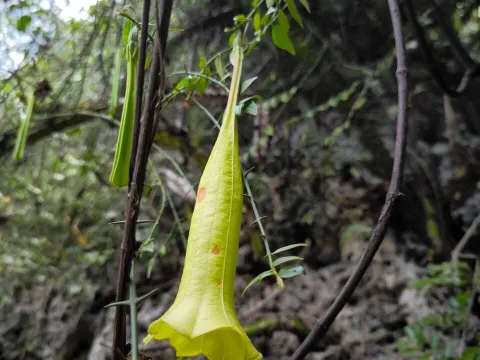
Catesbaea is a genus of flowering shrubs within the Rubiaceae family, commonly referred to as lilythorn. These plants are native to the Caribbean region, including the Bahamas, Cuba, and parts of the Florida Keys.
What the section contains

Catesbaea
The cultural requirements for Catesbaea center on well-draining, calcareous soil and high light intensity. They are essentially tropical plants that require consistent warmth throughout their entire growth cycle.
In terms of moisture management, these shrubs prefer a regime that prevents prolonged waterlogging. Proper drainage is critical, as root rot is a common issue for species kept in containers.
During the growing season, fertilization with a balanced, slow-release fertilizer can help maintain plant vigor and encourage the production of their characteristic bell-shaped flowers.
Because they are not frost-hardy, Catesbaea must be kept in controlled environments such as greenhouses in temperate climates to ensure their long-term survival and health.
Like many species in the Rubiaceae family, Catesbaea is susceptible to common greenhouse pests, particularly sap-sucking insects that thrive in dry or poorly ventilated environments.
Spider mites are a primary concern, often appearing when the ambient humidity drops significantly. These pests can rapidly colonize leaves, leading to chlorosis and general decline.
Scale insects can also infest the stems and leaves, extracting nutrients and often leading to the growth of sooty mold on the sticky honeydew residues they leave behind.
Root system health is frequently compromised by overwatering, which promotes the growth of various soil-borne pathogens. Maintaining a porous, oxygen-rich substrate is the best defense against these threats.
Integrated pest management, including regular inspection and the use of horticultural oils, is recommended to keep these plants healthy and free from significant damage.