
Canthium ciliatum
Canthium ciliatum
Description
Growing requirements
Canthium ciliatum is a perennial woody plant belonging to the Rubiaceae family. Originating from tropical environments, it is primarily found in shaded forest habitats where the microclimate supports steady moisture levels and protection from harsh elements.
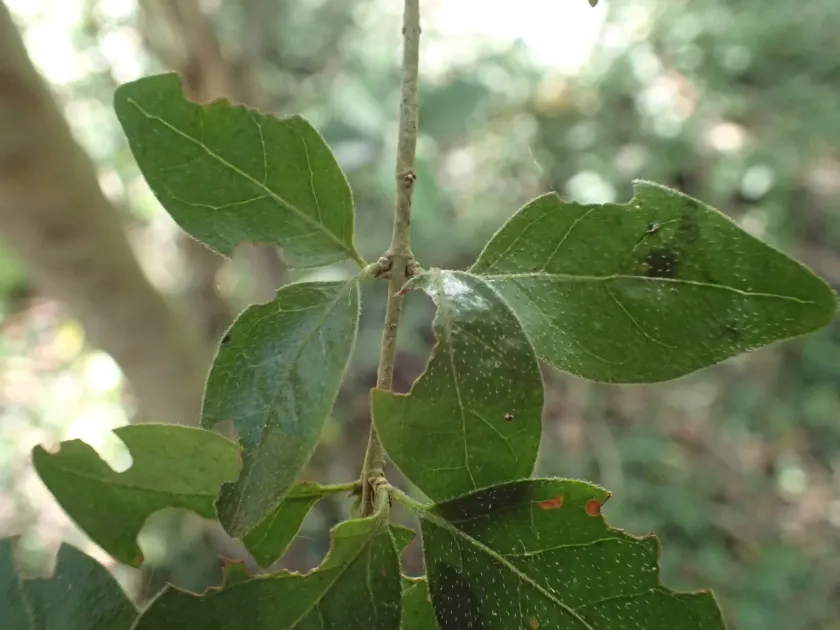
The plant exhibits distinct botanical features, most notably its coriaceous leaves with ciliated margins. It develops a sturdy framework and a complex root system, allowing it to compete effectively for nutrients in nutrient-rich but competitive tropical soils.
Agronomic success with this crop requires well-drained, fertile soil with a neutral pH level. Proper aeration is crucial for the roots, as the plant is susceptible to root rot if water stagnation occurs in the root zone during the peak rainy season.
It thrives in tropical climates where temperatures remain consistently between 22 and 29 degrees Celsius. The crop requires substantial humidity and protection from direct, scorching sunlight, especially during the seedling and young sapling developmental stages.
Recommended agricultural practices include the systematic application of organic mulch and slow-release fertilizers to ensure consistent nutrient availability. Controlled pruning is also essential to manage canopy density and facilitate proper airflow throughout the plantation.
Yield
The economic value of this species lies in its medicinal potential, as various parts of the plant are recognized for their traditional healing properties. Additionally, the wood is utilized in local woodworking for its durability and resistance to wear and tear.