
Canthium mundianum
Canthium mundianum
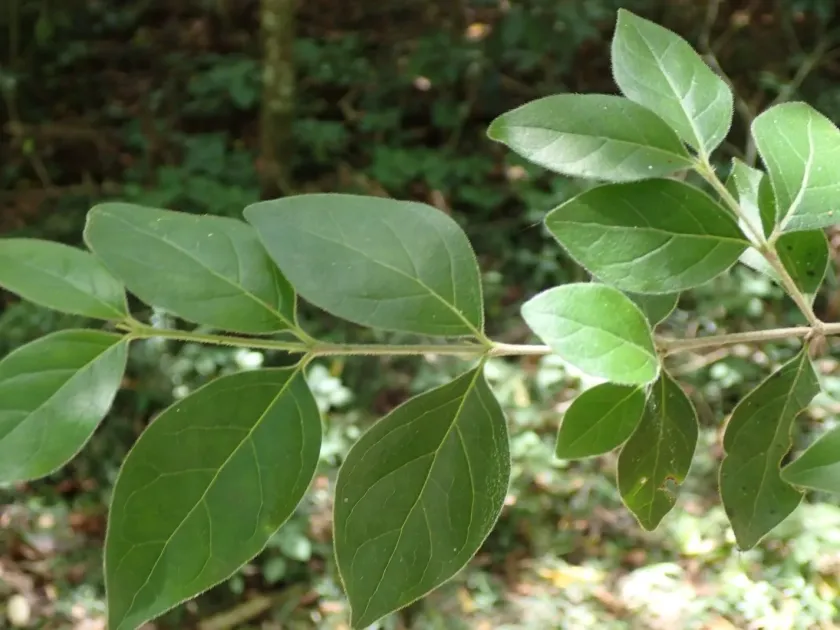
Description
Growing requirements
Canthium mundianum, commonly referred to as the rock apple, is a woody plant belonging to the Rubiaceae family. It is native to the diverse landscapes of Southern Africa, thriving primarily in rocky terrains and forested areas.
The cultivation of this species requires well-drained, nutrient-rich soil. It is highly adaptable to various soil types, provided that the root system has sufficient aeration to prevent water stagnation, which is the primary challenge in its cultivation.
Climate-wise, it prefers mild to subtropical conditions. While it is quite hardy against brief dry spells, young plants require consistent hydration to establish their root systems during the first two seasons of growth.
The botanical structure of Canthium mundianum is characterized by dense wood and durable foliage, making it a valuable candidate for windbreaks and ecological restoration. It naturally maintains a compact shape, which requires minimal maintenance.
Economically, the species serves roles in ornamental landscaping and local agroforestry. Its ability to thrive in poor soil conditions makes it a sustainable choice for reclamation projects in regions with degraded environments.
Main diseases and pests
Fungal pathogens represent the most significant threat to the overall health of Canthium mundianum, especially in environments with poor ventilation. Implementing a canopy management plan is crucial to mitigate these risks.
Pest management should focus on common sap-sucking insects like aphids and scale insects. Regular scouting is essential to identify early infestations and prevent them from compromising the structural integrity of the branches.
Environmental stress, such as extreme frosts or prolonged waterlogging, can weaken the plant, making it more susceptible to opportunistic secondary infections. Providing proper site selection and drainage is the best preventive measure.
In cases of severe infection, targeted pruning of affected limbs is advised. All prunings should be disposed of away from the main cultivation area to prevent the recycling of pathogens within the plot.
Nutrient deficiency, particularly of nitrogen and magnesium, can lead to stunted growth and yellowing of the leaves. Maintaining a balanced fertilization schedule is key to ensuring robust plant immunity against common threats.