
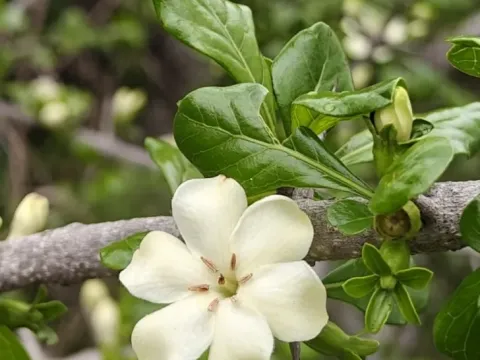
Catunaregam
Catunaregam
Catunaregam is a genus of evergreen shrubs and small trees belonging to the Rubiaceae family. Native to the tropical regions of Africa and Asia, these plants are highly regarded for their ecological resilience and unique biochemical properties.
What the section contains


Catunaregam
Botanically, Catunaregam is recognized by its sturdy, woody spines and opposite leaves with a glossy finish. This structure is an adaptation to harsh tropical environments, helping the plant conserve water and defend against herbivorous animals.
The plant thrives in well-drained, nutrient-rich soils with a slightly acidic to neutral pH. Proper soil aeration is critical, as root rot is a common issue when the plant is grown in overly compacted or waterlogged ground.
Regarding climate, Catunaregam prefers warm temperatures between 22 and 30 degrees Celsius. While it can withstand short periods of drought, consistent moisture is necessary during the growing season to ensure healthy foliage and fruit set.
Economically, this culture is significant in traditional pharmacology, particularly for its saponin-rich fruits. These components are used in various medicinal preparations, as well as in natural agricultural pesticides for integrated pest management systems.
Common health issues for Catunaregam include powdery mildew, which often spreads in greenhouses or areas with poor air circulation and high humidity.
Pest pressure is frequently caused by scale insects and spider mites, which can cause significant damage to young leaves and stunted plant development.
To maintain plant health, it is essential to implement strict sanitation practices, including the removal of dead wood and debris from the base of the plant.
Farmers should monitor for signs of nutrient deficiencies, such as yellowing leaves, and apply balanced fertilizers to strengthen the plant's natural resistance.
Integrated pest management strategies should focus on biological control agents to keep pest populations below the economic injury level without harming beneficial organisms.