
Casasia
Casasia
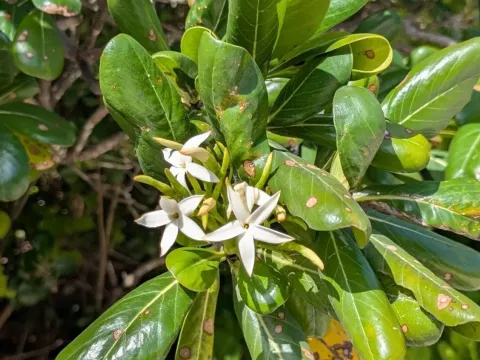
Casasia is a genus of evergreen shrubs and small trees belonging to the Rubiaceae family. Native to tropical regions of the Caribbean and Florida, these plants are highly valued in botanical collections for their dense, glossy foliage and fragrant flowers.
What the section contains

Casasia
The cultivation of Casasia requires a tropical or subtropical climate. The plants thrive in warm environments where temperatures remain consistently above freezing. In cooler climates, they must be kept in greenhouses or as container plants.
Regarding soil, they prefer well-drained, nutrient-rich substrates. A mix with organic matter is recommended to mimic their native environment, ensuring the roots remain aerated while retaining necessary moisture.
They are best suited for areas with partial shade. While they can tolerate some direct sunlight, intense exposure during the hottest parts of the day can damage the leaves, causing them to lose their characteristic luster.
Consistent watering is essential. The soil should be kept moist but never waterlogged. Providing high humidity is also beneficial, as this helps simulate the natural environment where these plants evolved.
The most common pests affecting Casasia include mealybugs, scale insects, and spider mites. These pests typically cluster on the undersides of leaves or in stem crevices, sucking sap and damaging the plant.
Root rot is the most significant disease risk for the genus. It is usually caused by overwatering or poor drainage, which creates an anaerobic environment where fungal pathogens can thrive and destroy the root system.
Management involves systemic insecticides or horticultural oils to treat infestations. For fungal issues, improving drainage and applying fungicides to the soil surface can help salvage the plant if caught early.
Routine inspections of the foliage are crucial for early detection of problems. Cleaning leaves with a damp cloth can also help prevent dust buildup and reduce the attractiveness of the plant to certain pests.
Maintaining adequate air circulation is another critical factor. Good airflow reduces the micro-humidity levels near the foliage, which helps prevent the onset of powdery mildew and other airborne fungal diseases.