
Canthium rheedei
Canthium rheedei
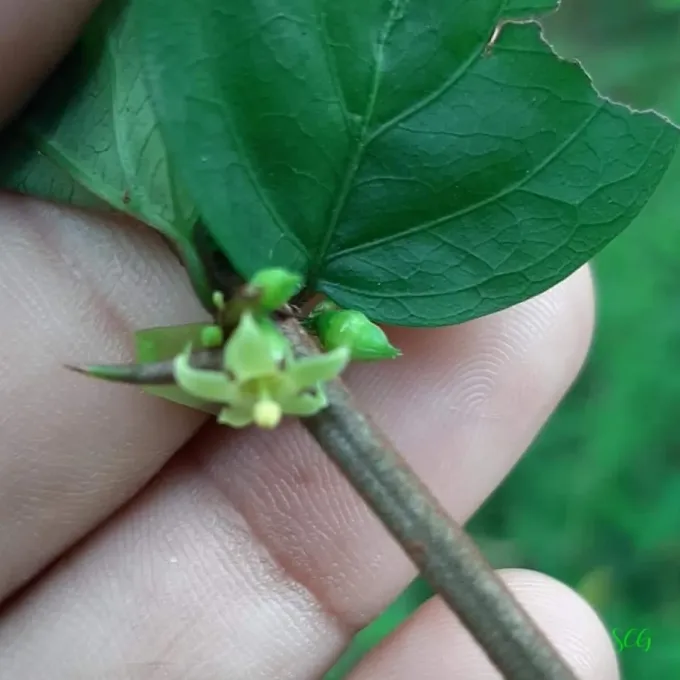
Description
Growing requirements
Canthium rheedei is a perennial evergreen shrub or small tree belonging to the Rubiaceae family. Native to tropical regions, this species is well-adapted to warm, humid environments where it plays a significant role in the local ecosystem and rural agricultural landscapes.
The botanical structure of this plant features opposite leaves and distinct axillary spines, which are typical adaptations for this genus. The small, clustered flowers eventually develop into fruits, making it a distinct representative of the tropical flora under the Ixoroideae subfamily.
Optimal growth requires a climate with consistent warmth, typically between 22 and 30 degrees Celsius. While it prefers full sun, the plant can tolerate partial shade, which is beneficial in regions with intense solar radiation during the dry season.
Soil requirements are centered on fertility and excellent drainage. The plant thrives in loamy soils enriched with organic matter. Proper water management is essential, as the roots are sensitive to anaerobic conditions caused by prolonged waterlogging.
The cultural use of Canthium rheedei spans across traditional medicinal practices and practical applications like dense hedge formation. Its robust nature makes it a valuable asset for land management in its natural range.
Main diseases and pests
Common pests include sap-sucking insects such as mealybugs and scale insects. These pests feed on tender shoots and leaf surfaces, causing potential physiological stress to the plant and promoting the growth of sooty mold on the foliage.
Fungal pathogens associated with high tropical humidity can lead to leaf spots and anthracnose. These infections can significantly reduce the photosynthetic area of the leaves, thereby stunting the overall growth of the shrub.
Integrated pest management (IPM) strategies, including biological controls and targeted pruning, are recommended to maintain plant health. Ensuring proper spacing between individual plants improves air circulation, which significantly decreases the incidence of fungal disease.
Nutrient deficiencies, particularly regarding nitrogen and micronutrients, can weaken the plant and make it more susceptible to environmental stressors. Regular soil testing and appropriate fertilization can mitigate these risks and support healthy growth cycles.
Sanitation practices such as removing infected plant debris from the orchard or hedge area are critical. This prevents the carry-over of pathogens into the next growing season and helps maintain a productive and healthy plant stand.