
Canthium horizontale
Canthium horizontale
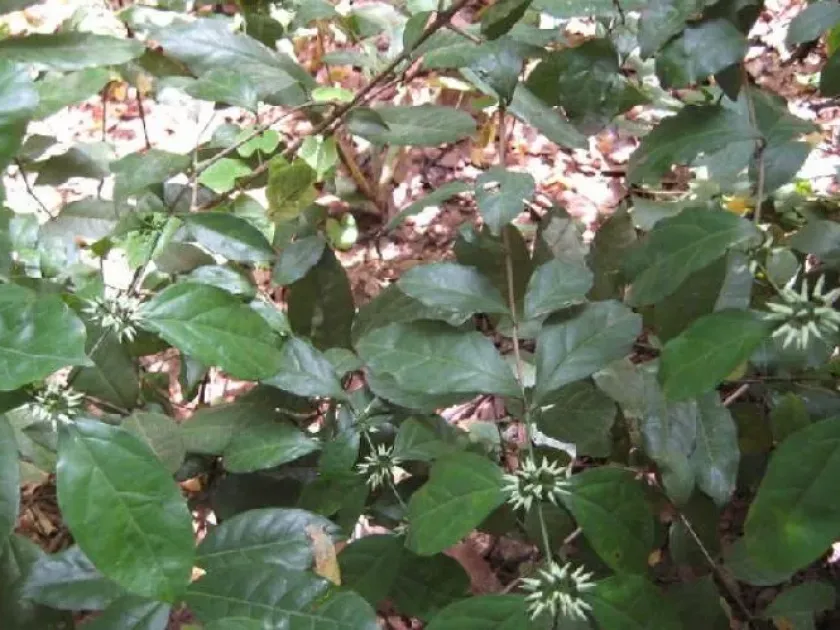
Description
Sowing dates
Canthium horizontale is a perennial evergreen shrub belonging to the Rubiaceae family. Known for its specific botanical traits, this plant is native to tropical environments, where it serves as an important component of the local ecosystem and potentially as a cultivated crop.
Sowing and propagation methods for Canthium horizontale are typically synchronized with the onset of the rainy season to ensure optimal conditions for seedling establishment. Using fresh, high-quality seeds or viable stem cuttings is essential for achieving a high success rate during the early growth phase.
The propagation process involves careful soil preparation, ensuring the planting medium is loose and fertile. Pre-treatment of seeds, such as soaking or stratification, is recommended to improve germination uniformity across the nursery bed.
Proper spacing during transplantation is crucial for the future health of the shrub. By maintaining sufficient distance between individuals, growers ensure that each plant receives adequate light and airflow, which is critical for long-term canopy development.
Once established, the young plants require regular monitoring to ensure they are adapting well to the site conditions. Agronomic practices in the early stages include weeding and soil management to promote vigorous root development.
Growing requirements
Canthium horizontale thrives in tropical climates characterized by consistent warm temperatures throughout the year. The plant is highly sensitive to cold stress, making it unsuitable for regions prone to frosts or extreme temperature fluctuations.
Soil requirements for this crop focus on good drainage and high organic content. The plant performs best in neutral to slightly acidic soils where the root system can access essential nutrients without the risk of waterlogging, which often leads to root decay.
While the plant exhibits some shade tolerance, it requires adequate diffused sunlight for optimal photosynthesis and fruit production. In open fields, temporary shading for young shrubs can help prevent leaf scorching during the peak heat of the day.
Maintaining high humidity levels is important for the plant's overall vitality. In areas with distinct dry seasons, irrigation management becomes a primary agronomic concern to ensure the plant maintains its physiological functions.
Fertilization schedules should include balanced NPK applications supplemented by micronutrients. This supports the plant's structural development and resilience against environmental pressures throughout its growing cycle.
Main diseases and pests
Fungal diseases are a primary threat to Canthium horizontale, especially in regions with high humidity. Leaf spots and powdery mildew can quickly spread if the planting density is too high or if airflow around the shrub is restricted.
Insect pests, including aphids and spider mites, often target new growth and foliage. These pests can significantly weaken the plant if not managed promptly through integrated pest management strategies, including the use of soaps or systemic insecticides.
Root-knot nematodes pose a hidden threat, particularly in lighter or sandy soil profiles. Preventive measures, such as maintaining soil health and using disease-free stock, are the most effective ways to mitigate the risk of nematode infestation.
Mechanical damage from storms or heavy winds can cause branch breakage in mature shrubs. Pruning to maintain a strong structural frame and, if necessary, providing stakes for support can protect the plant from physical destruction.
Effective health management for this crop relies on regular field inspections and the application of environmentally conscious pest control methods. Balancing crop productivity with ecological safety is key to sustainable production.