
Canthium lactescens
Canthium lactescens
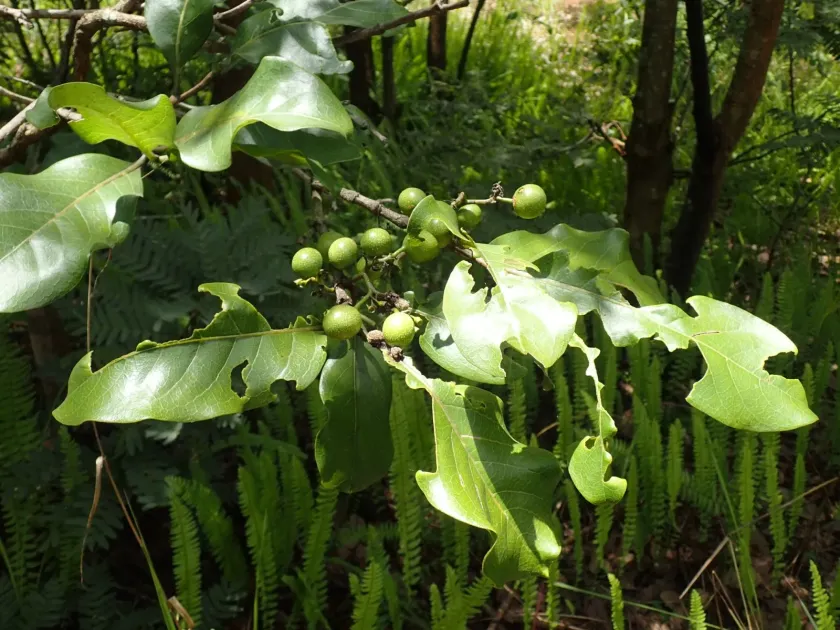
Description
Growing requirements
Canthium lactescens is a notable tree species belonging to the Rubiaceae family. Native to tropical forest ecosystems, this plant is characterized by its robust structure and its ability to thrive in warm, humid environmental conditions.
The cultivation of this species requires specific climatic parameters. It flourishes in regions with a consistent tropical climate, characterized by high annual rainfall and a lack of significant seasonal frost, which is critical for its survival and growth.
Soil requirements for the species involve well-drained, nutrient-rich substrates. It performs exceptionally well in loamy or clay-based soils that provide structural support for its root system while ensuring sufficient aeration for nutrient uptake.
From an agricultural management perspective, weed control during the seedling stage is essential to minimize competition for resources. Adequate spacing between individual trees is also recommended to ensure optimal canopy development and long-term timber quality.
In terms of economic value, Canthium lactescens is primarily harvested for its durable timber. Its wood properties make it suitable for various carpentry projects and local construction needs, contributing to its significance in regional silviculture practices.