
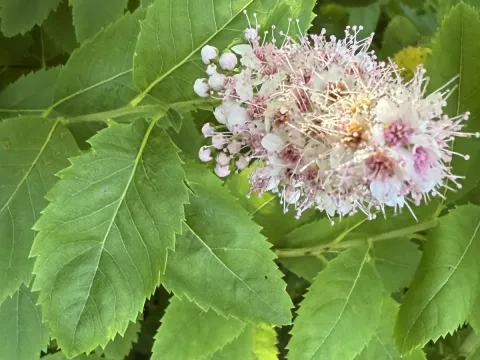
Spiraea rosalba
Spiraea rosalba
Spiraea rosalba is an ornamental shrub belonging to the Rosaceae family. This hybrid species is valued for its delicate flowers and robust nature, making it a staple in professional landscaping and garden design projects.
What the section contains
Spiraea rosalba
To ensure optimal development, this shrub requires exposure to full sun. While it can adapt to partial shade, consistent sunlight is essential for maintaining the dense structure of the shrub and encouraging prolific blooming throughout the summer months.
The ideal growing medium for this culture is a well-drained, fertile soil with a neutral to slightly acidic pH. Proper drainage is critical, as root systems are susceptible to rot when subjected to prolonged waterlogging in heavy clay soils.
The climate requirements for Spiraea rosalba are characterized by a high degree of cold hardiness. It is well-adapted to temperate regions, successfully weathering cold winters without the need for extensive seasonal protection.
Maintenance practices include annual pruning after the flowering season to encourage new growth and maintain the desired shape. Regular mulching is recommended to retain soil moisture and suppress competition from weeds around the root zone.
Aphids are among the most common pests that affect the young growth of the shrub. Early detection and treatment with systemic insecticides can effectively manage populations before they cause significant damage to foliage.
Powdery mildew represents a significant fungal threat, especially in humid and poorly ventilated environments. Proper spacing during planting is a primary cultural method used to improve air circulation and mitigate the spread of fungal spores.
Spider mites frequently infest the plant during hot, dry weather conditions. Monitoring the underside of leaves for fine webbing is essential, and applying horticultural oils or specific acaricides can help manage these infestations successfully.
Foliar spot diseases may appear due to excessive moisture or poor sanitation practices. Removing and destroying infected foliage is a vital step in controlling the spread of pathogens and preventing future outbreaks in the garden.
Effective pest and disease control requires a combination of good sanitation, proper plant spacing, and the judicious use of pesticides when necessary. Following these protocols ensures the long-term vigor and beauty of the planting.