
Spiraea multiflora
Spiraea multiflora
Description
Growing requirements
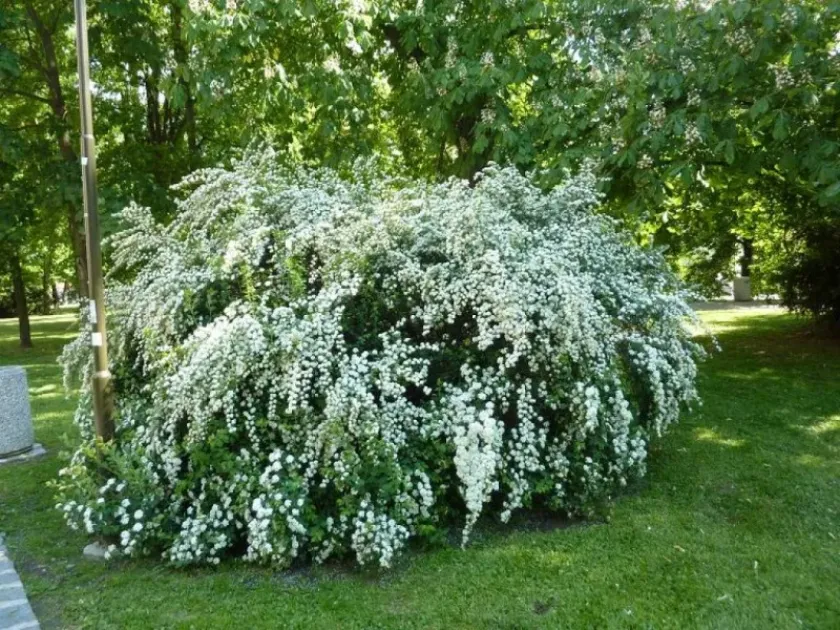
Spiraea multiflora, known as the many-flowered spirea, belongs to the Rosaceae family. It is a deciduous hybrid shrub highly prized in ornamental horticulture for its prolific white floral display during the late spring season.
The plant thrives best in full sun or partial shade conditions. It requires well-draining soil that is rich in organic matter, as poorly aerated or waterlogged soils can lead to root rot and diminished vigor of the specimen.
This shrub is exceptionally hardy and adaptable to various temperate climates. It prefers soil with a near-neutral pH level, which ensures optimal nutrient uptake for healthy leaf and flower development throughout the growing season.
Standard agrotechnical practices include annual pruning immediately after flowering to encourage new growth. Adding a balanced fertilizer during early spring supports the plant's metabolic processes and promotes more vibrant blooms.
Landscape applications include planting in mass groupings, hedges, and as specimen shrubs in rock gardens. Its ability to tolerate urban conditions makes it a versatile choice for both private and municipal landscaping projects.
Main diseases and pests
The most common fungal disease affecting this species is powdery mildew. It appears as a white, dusty layer on the foliage, often exacerbated by poor air circulation and high humidity in dense plantings.
Aphids are the primary insect pests that target the soft tissue of new shoots. They can cause significant stunted growth if left untreated, making regular inspection of young stems essential during the active growing phase.
Spider mites represent a secondary threat during prolonged dry and hot weather. They thrive in dry conditions and can cause the leaves to lose their color, turn yellow, and eventually drop prematurely if not controlled.
Management of these threats involves a combination of mechanical control, such as pruning affected areas, and the application of appropriate systemic insecticides or fungicides specifically formulated for ornamental plants.
Biological controls, including the introduction of natural predators like ladybugs, can be effective in maintaining an ecological balance within the garden and managing aphid populations without chemical overuse.