
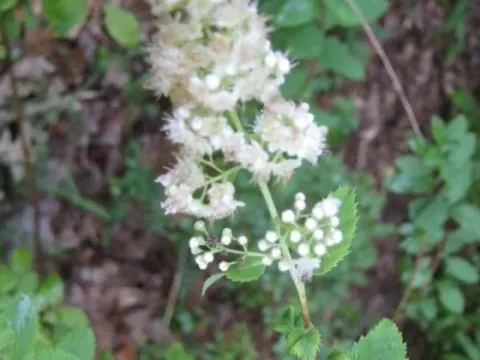
Spiraea nervosa
Spiraea nervosa
Spiraea nervosa is a deciduous shrub belonging to the Rosaceae family. It is highly valued in horticulture for its aesthetic form and distinct leaf venation, which gives it a unique appearance in various landscape settings.
What the section contains
Spiraea nervosa
The plant originates from East Asia, specifically China, and is adapted to temperate climates. It performs best in open, sunny locations where it can receive adequate sunlight to support vigorous development and abundant flowering.
Regarding soil requirements, this species prefers fertile, well-draining substrates with a slightly acidic to neutral pH. Proper soil preparation is essential to prevent waterlogging, which the plant does not tolerate well over long periods.
Botanically, it is recognized by its gracefully arching shoots and long-lasting foliage. The plant is relatively easy to propagate through cuttings and shows excellent adaptability to formative pruning, which is a key part of its management.
In terms of usage, Spiraea nervosa is a staple in ornamental gardening. It is frequently employed for creating dense hedges, grouping in mixed borders, or serving as a focal point in residential gardens and public park spaces.
Common pests affecting this species include aphids and spider mites. These small insects tend to congregate on the undersides of leaves or on succulent new growth, extracting sap and causing localized wilting or discoloration.
Powdery mildew is the most frequent fungal disease, especially in environments with high humidity and poor air circulation. It manifests as a white, dusty layer on the foliage, which can impair the health of the entire shrub.
Management practices for these threats focus primarily on maintaining optimal plant health through proper spacing and regular sanitation. Pruning out dead or crossing branches helps ensure better sunlight penetration and airflow.
When infestation or infection levels are high, targeted applications of insecticides or fungicides may be necessary. It is recommended to use systemic products early in the season to minimize damage during the peak of growth.
Maintaining a clean growing area by removing debris around the base of the plant is a critical preventive measure. Keeping the plant hydrated and properly fed makes it more resilient to potential pathogen pressure throughout the year.