
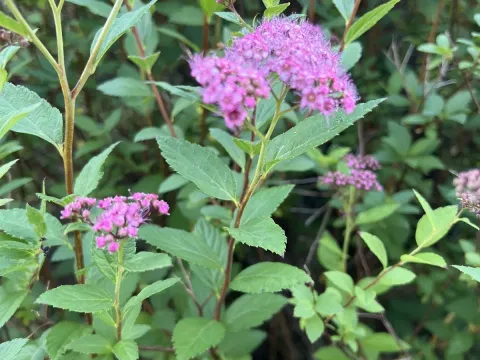
Spiraea lemoinei
Spiraea lemoinei
Spiraea lemoinei is a hybrid shrub derived from the Rosaceae family. It is a result of crossing Spiraea albiflora and Spiraea japonica, creating a compact and visually appealing plant that is highly valued in horticulture for its dense flowering habit.
What the section contains
Spiraea lemoinei
The cultivation requirements for this plant focus on providing full sunlight to partial shade exposure. It thrives in fertile, well-draining soils with a neutral or slightly acidic pH level, as it is sensitive to waterlogged conditions that can cause root decay.
Regarding climate, Spiraea lemoinei is known for its resilience and ability to withstand moderate cold temperatures. In regions experiencing harsh winters, a protective layer of mulch around the base is essential to prevent frost damage to the root system.
Agrotechnical management includes routine pruning, which is best performed in late winter or early spring before new growth appears. Pruning encourages the development of fresh, vibrant stems, ensuring a spectacular display of flowers throughout the growing season.
This shrub is primarily utilized for landscape gardening, serving as an excellent choice for low hedges, border plantings, and foundation beds. Its natural shape and tolerance for shearing make it a favorite for structured garden design and public park landscaping.
The main pests that affect Spiraea lemoinei include aphids and spider mites. These insects typically target the undersides of leaves and young shoots, so consistent monitoring during the peak summer months is necessary to maintain plant vigor.
Fungal diseases, including powdery mildew and leaf spot, are common threats, especially in humid and stagnant air conditions. Improving air circulation by proper spacing and thinning out the center of the shrub can significantly reduce the risk of infection.
Chemical control should be used judiciously, prioritizing systemic insecticides or biological agents to manage pest populations while preserving beneficial insects that inhabit the garden environment.
Preventive maintenance involves removing fallen leaves and pruning debris from around the plant base in autumn. This reduces the number of overwintering sites for fungal spores and pests, significantly decreasing the likelihood of disease outbreaks.
To ensure long-term health, plants should be fed with balanced fertilizers during the early spring growth phase. A well-nourished shrub develops a stronger resistance to environmental stressors, reducing the overall pressure from pests and minor infections.