
Spiraea arguta
Spiraea arguta
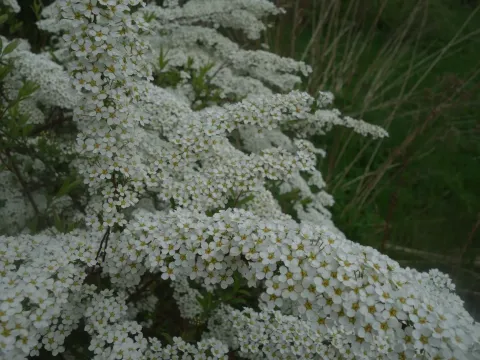
Spiraea arguta, commonly known as bridal wreath spirea, belongs to the Rosaceae family. This hybrid shrub is highly valued in horticulture for its cascading branches and abundant, showy clusters of snow-white flowers that appear in early spring, signaling the start of the gardening season.
What the section contains
Spiraea arguta
Regarding site requirements, this plant thrives in full sun but can tolerate partial shade in hotter climates. It prefers fertile, well-draining soils with a neutral to slightly acidic pH. Consistent soil moisture is beneficial, though the plant is moderately drought-tolerant once established.
The shrub is remarkably hardy and well-suited for temperate garden zones. It displays strong resistance to seasonal weather fluctuations, provided that it is planted in an area with good air circulation to prevent moisture accumulation around the base.
Agricultural management involves annual pruning immediately after flowering. By thinning out old, congested branches, gardeners stimulate the production of vigorous new growth, which is essential for ensuring a prolific floral display in the following year.
In terms of usage, Spiraea arguta is widely used in landscape architecture. It serves as an excellent choice for ornamental hedges, specimen planting, and mixed perennial borders where it provides a striking architectural contrast due to its graceful, arching habit.
The primary pest affecting Spiraea arguta is the aphid, which typically targets tender new growth in spring. Control can be managed through the application of insecticidal soaps or systemic pesticides if infestation levels become economically or aesthetically significant.
Powdery mildew represents the most frequent fungal challenge, particularly in humid or overcrowded conditions. Proper spacing during initial planting is the most effective preventative measure, ensuring sufficient sunlight and airflow throughout the plant canopy.
Spider mites may become a concern during prolonged periods of hot, dry weather. Regular monitoring of the foliage underside is recommended, and if symptoms of webbing or yellowing appear, appropriate miticides should be employed to mitigate the damage.
Nutrient deficiency can leave the plant susceptible to secondary infections. Regular fertilization in early spring with a balanced slow-release fertilizer helps maintain plant vigor, enabling it to withstand environmental stresses and pest pressure throughout the season.
Sanitary maintenance, including the removal of dead or diseased wood during the winter dormant season, is critical for general plant health. This practice reduces the available sites for pathogen overwintering and ensures the long-term vitality of the shrub.