
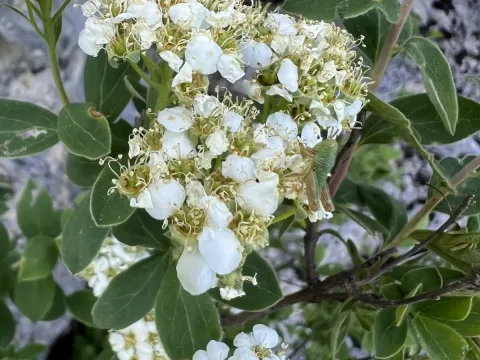
Spiraea cana
Spiraea cana
Spiraea cana is a notable member of the Rosaceae family, valued in horticulture for its compact, elegant growth habit and profuse spring flowering. This hardy shrub is native to mountainous regions, which contributes to its robust nature and adaptability to various environmental conditions.
What the section contains
Spiraea cana
The cultivation of this plant requires a location with ample sunlight to ensure optimal blooming density. While Spiraea cana is not overly demanding regarding soil type, it thrives best in well-drained, fertile substrates that prevent waterlogging and promote a healthy root system development.
Climate tolerance is one of the key strengths of this species. It exhibits excellent winter hardiness, making it an ideal choice for gardens in temperate regions where low temperatures can be a challenge for less resilient ornamental varieties.
Agricultural management primarily focuses on maintenance pruning, which is essential for preserving the plant's structural integrity. By removing aged and damaged branches immediately after flowering, gardeners can stimulate the growth of vigorous new wood for the next season.
Watering requirements are moderate; however, consistent moisture is necessary during the establishment phase of young plants. For mature specimens, mulching the root zone helps retain soil moisture and suppresses weed growth, reducing the need for intensive maintenance.
Although generally robust, Spiraea cana can be susceptible to fungal issues like powdery mildew, especially in humid or poorly ventilated conditions. Effective management involves ensuring proper spacing between plants and applying fungicides when early signs of infection appear.
Aphids are the most common insect pests that target the soft tissue of new foliage and developing flower buds. Prompt intervention with insecticidal soaps or systemic pesticides is recommended to prevent significant stress to the shrub.
Spider mites may occasionally infest the foliage, particularly during extended periods of hot, dry weather. Regular monitoring is advised, and using appropriate acaricides can quickly mitigate the damage caused by these tiny pests.
Sanitation practices are fundamental to pest and disease control. Removing fallen leaves and maintaining a clean planting area prevents pathogens from overwintering and reinfecting the bushes in the following spring season.
By balancing sun exposure, proper watering, and timely care, growers can create a resilient environment that naturally minimizes threats. A well-maintained Spiraea cana will serve as a long-lasting and healthy focal point in any landscape design.