
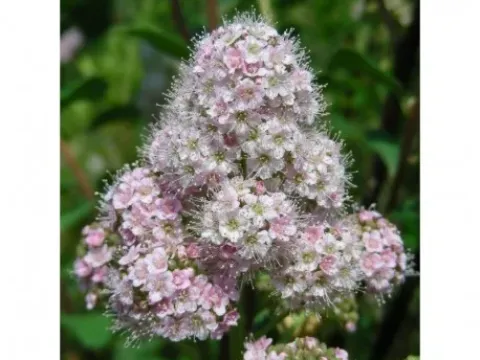
Spiraea brachybotrys
Spiraea brachybotrys
Spiraea brachybotrys is a decorative deciduous shrub belonging to the Rosaceae family. As a hybrid species derived from S. albiflora and S. douglasii, it exhibits strong environmental adaptability and is widely used in landscape architecture for its showy flower clusters.
What the section contains
Spiraea brachybotrys
The plant features upright stems, often with soft pubescence in its early growth stages. The leaves are typically elliptical or ovate, characterized by serrated margins. The shrub generally reaches a mature height of approximately 1.5 meters, maintaining a dense and compact habit throughout the growing season.
This species thrives in full sun, which is necessary for optimal bloom production. While it can tolerate partial shade, insufficient light will result in leggy growth and reduced flowering density. Proper placement in the garden is essential to ensure a vibrant and healthy appearance.
Soil requirements for Spiraea brachybotrys include well-drained, moderately fertile loam. It is sensitive to waterlogged conditions, which can lead to root system decay. Adding organic matter, such as compost, into the planting site improves structure and provides long-term nutrient availability.
Agricultural management involves routine pruning to maintain shape and promote new growth. It is hardy in temperate zones, though young plants may benefit from mulching to protect the root zone during the first winter following installation. Regular watering is recommended during prolonged summer droughts.
The most common insect pests affecting this plant include aphids and spider mites, which feed on the sap of young shoots. Infestations can lead to curled leaves, yellowing, and stunted plant development if left untreated. Regular monitoring is the most effective way to detect these pests early.
Fungal diseases, such as powdery mildew, are prevalent in areas with high humidity or poor air circulation. This disease manifests as a white, dusty fungal growth on leaves and stems, which can eventually cause tissue necrosis if the environmental conditions remain unfavorable for the plant.
Control of insect pests should involve applying appropriate insecticides, focusing on systemic treatments during the peak of the growing season. It is vital to apply these treatments in accordance with environmental safety guidelines to minimize impact on beneficial insects.
To combat fungal pathogens, gardeners should prioritize cultural practices, including strategic pruning to ensure good airflow. Removing internal, overcrowded branches reduces moisture accumulation and prevents the conditions required for fungal spores to germinate and spread.
Lastly, sanitation plays a critical role in plant health. Clearing away fallen foliage and debris from beneath the shrub removes potential overwintering sites for both pathogens and pests, ensuring that the plant remains healthy for the subsequent growth cycle.