
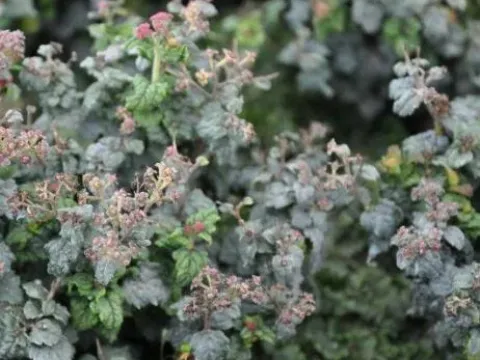
Spiraea bullata
Spiraea bullata
Spiraea bullata, commonly known as the blistered spirea, is a compact, slow-growing deciduous shrub belonging to the Rosaceae family. Native to the mountainous regions of Japan, it is highly valued for its dense, mounded habit and distinctively crinkled, dark green foliage.
What the section contains
Spiraea bullata
This species thrives in full sun, which is essential for maintaining its dwarf size and promoting profuse flowering throughout the season. While it can tolerate partial shade, insufficient light often results in a leggy growth habit that detracts from its ornamental value.
The shrub prefers fertile, well-draining soils with a neutral to slightly acidic pH. Proper drainage is critical; the root system is sensitive to waterlogged conditions, which can lead to root rot and eventual plant decline if the soil is too heavy or compact.
Spiraea bullata is remarkably hardy and can withstand cold winter temperatures common in temperate climates. During severe winters, providing a layer of mulch around the base of the plant can help regulate soil temperature and protect the shallow root system.
Agrotechnical maintenance involves regular, moderate irrigation during the growing season, especially during hot and dry spells. Periodic pruning in early spring is recommended to remove dead wood and encourage denser growth, ensuring the plant retains its signature appearance.
Aphids are the most common pests that affect young shoots and buds, potentially hindering growth. Early intervention using insecticidal soap or biological controls is often sufficient to manage populations before they cause significant damage to the plant.
Fungal leaf spot can occur, particularly in seasons with high humidity or poor airflow within the shrub's canopy. Ensuring proper spacing during planting is a primary preventative measure to reduce the risk of spreading fungal spores.
Powdery mildew may develop on leaves as a white, dusty coating during dry and warm weather. Applying organic fungicides or maintaining good cultural practices, such as morning watering, can help minimize the incidence of this fungal disease.
Spider mites might infest the plant during periods of prolonged drought and low atmospheric humidity. Regular inspection of the foliage is necessary to detect early signs of webbing or leaf discoloration caused by these pests.
To preserve the health of the shrub, it is essential to remove and dispose of any infected plant material immediately. This practice helps to reduce the inoculum load in the garden and prevents the reinfection of the healthy parts of the plant.