
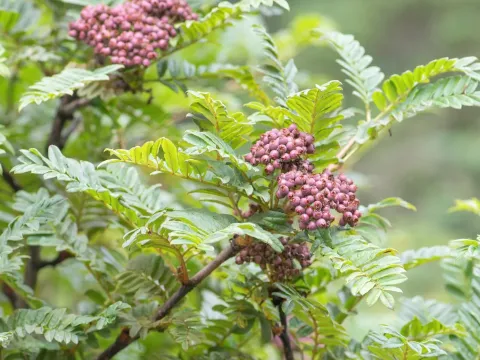
Little-leaf mountain ash
Sorbus microphylla
The little-leaf mountain ash (Sorbus microphylla) belongs to the Rosaceae family. It is a distinctive woody plant valued for its refined, pinnate foliage and unique, often white or pink-tinted berries that persist into the autumn season.
What the section contains
Little-leaf mountain ash
Native to the high-altitude regions of the Himalayas and China, this species thrives in cool, temperate climates. It prefers locations with cool roots and moderate sunlight, making it an excellent choice for rock gardens or ornamental woodland borders.
Soil requirements for Sorbus microphylla include well-draining, slightly acidic to neutral loam. It is highly sensitive to waterlogged conditions, which can cause root rot; therefore, providing a porous soil structure is essential for long-term health.
Cultivation practices involve regular mulching to keep the root zone cool and moisture-consistent. While the plant is hardy, it benefits from moderate applications of organic compost during the spring growth phase to promote lush foliage.
This tree is primarily used for its aesthetic value in landscape design. Its slow growth rate makes it suitable for small gardens where an elegant, non-invasive ornamental tree is desired to add structural interest throughout the seasons.
The primary threats to Sorbus microphylla include fungal diseases such as powdery mildew and scab, particularly in seasons with high humidity. Proper spacing to ensure adequate air circulation is the most effective preventative measure.
Pests such as aphids and scale insects can occasionally infest the tree, targeting tender young shoots. Regular monitoring of the underside of leaves during the spring is crucial for identifying early stages of infestation.
Fire blight is a more severe bacterial threat that can affect members of the Rosaceae family. If detected, infected branches must be pruned well below the site of infection and sterilized tools used to prevent further spreading.
Integrated pest management strategies involve encouraging natural predators like ladybugs in the garden. Chemical interventions should be used sparingly and only when necessary to preserve the balance of the local ecosystem.
Winter care is vital; protecting the bark from rodent damage and ensuring the tree is healthy before dormancy significantly improves its ability to recover from any pest or disease pressure encountered during the growing season.