
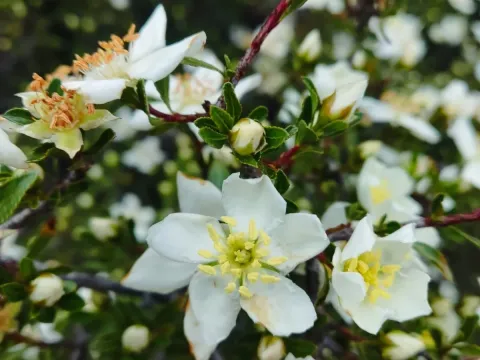
Lindleya
Lindleya
Propagation of Lindleya mespiloides in nurseries is typically performed via seeds or stem cuttings. Seeds require preliminary stratification to ensure uniform germination rates.
What the section contains
Lindleya
The optimal time for sowing seeds in a controlled environment is early spring, allowing seedlings to develop a strong root system before the planting season.
Cuttings should be taken during the summer months, utilizing semi-hardwood shoots of the current year. Maintaining high humidity is crucial for successful rooting.
Preparing the planting site should be done in the autumn, ensuring that the soil settles and reaches the necessary structural state before the growing period.
When planting in open fields, maintain adequate spacing between plants to account for the mature size of the shrub or small tree.
Lindleya belongs to the Rosaceae family and is an evergreen woody plant native to the mountainous regions of Mexico.
For optimal growth, the crop prefers well-drained, fertile soils with a neutral to slightly acidic pH level.
The plant exhibits moderate drought tolerance; however, it requires regular irrigation during the flowering and fruit-setting stages to ensure productivity.
Temperature requirements align with a subtropical climate featuring mild winters, as the species is sensitive to severe frost conditions.
High light exposure is ideal, though the plant benefits from light shade during the peak heat hours of the day to prevent leaf scorch.
As a member of the Rosaceae family, Lindleya is susceptible to typical diseases, including powdery mildew, which thrives in high humidity.
The primary pests during the growing season include aphids and spider mites, which frequently target tender new shoots.
Root rot can develop if water accumulates around the root collar, making effective soil drainage a critical component of crop management.
Bacterial blight poses a significant threat, requiring the prompt removal of affected crown segments and the application of sanitizing treatments.
Proactive monitoring and the application of fungicides and insecticides in early development stages are essential for mitigating losses.
The agricultural and economic utility of Lindleya is focused on ornamental gardening and traditional medicinal uses of its fruits.
Harvesting of the fruit is conducted as they ripen, signaled by changes in skin coloration and the softening of the fruit flesh.
Manual harvesting is the preferred method to maintain the structural integrity of the fruit and avoid damaging the delicate branches of the plant.
Harvested fruits have a limited shelf life and should be sold or processed shortly after being picked to maintain quality.
For ornamental purposes, pruning should be performed immediately after the flowering season to encourage the development of new reproductive buds.