
Longleaf burnet
Sanguisorba longifolia
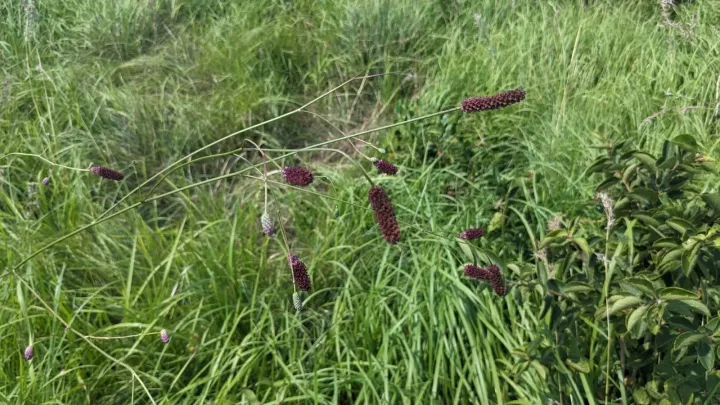
Description
Growing requirements
Longleaf burnet (Sanguisorba longifolia) is a perennial herbaceous plant belonging to the Rosaceae family. This species is known for its elegant foliage and distinct, elongated inflorescences, which serve both aesthetic and potential commercial purposes.
The plant originates from the mountainous regions of East Asia. Its natural habitat includes meadow environments where it thrives on soils rich in organic matter. Due to its evolutionary background, it demonstrates strong adaptation to temperate climates.
Cultivation requires sites with good exposure to sunlight, though the species can handle partial shade in hotter climates. It is highly valued for its frost resistance, allowing for stable growth in regions experiencing harsh winter conditions.
Soil requirements are relatively specific: the plant prefers well-drained, fertile loams with a near-neutral pH level. Efficient drainage is crucial, as the root system is sensitive to prolonged waterlogging, which can trigger fungal diseases.
Agricultural management includes routine soil aeration and weed control, especially during the establishment phase. The application of balanced fertilizers supports vigorous vegetative growth and enhances the overall resilience of the plant during the growing season.
Main diseases and pests
Fungal pathogens such as rust and leaf spots are the most significant threats to Sanguisorba longifolia production. These infections are often triggered by high humidity levels and poor airflow within the crop stand, making site selection critical.
Pests like aphids and spider mites can impact the vitality of the plant by draining nutrients from the leaves. Early detection through field scouting is essential to implement control measures before significant economic damage occurs.
Implementing a proper crop rotation strategy helps to reduce soil-borne disease pressure. Additionally, maintaining adequate spacing between rows improves microclimate conditions, drastically lowering the risk of pathogen colonization.
Rodent activity during the dormant period can cause physical damage to the rhizomes. Utilizing protective barriers or localized control methods is a recommended practice to safeguard the crop against winter losses.
Sanitation practices involving the removal of necrotic plant tissues after the harvest cycle are mandatory. This minimizes the survival of spores and insect eggs, thereby protecting the health of the subsequent crop cycle.