
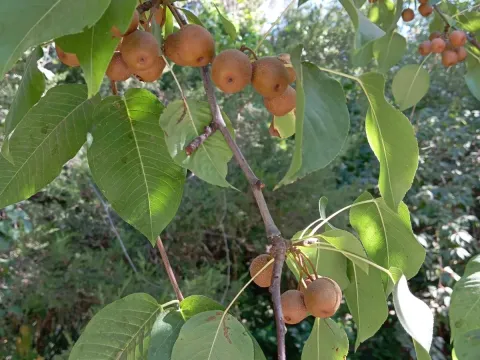
Lindley pear
Pyrus lindleyi
The Lindley pear (Pyrus lindleyi) is a distinctive member of the Rosaceae family. Like other species in the genus Pyrus, it is characterized by its specific requirements for propagation and development.
What the section contains
Lindley pear
Propagation is primarily carried out through seed stratification, which mimics natural winter conditions to break dormancy. Once the seeds have germinated, the seedlings are carefully nurtured in controlled environments.
For commercial orchards, vegetative propagation methods like grafting onto suitable rootstocks are often preferred. This ensures that the genetic traits of the tree are preserved and enhances disease resistance.
Sowing in open nursery beds requires attention to soil temperature and moisture levels. Maintaining consistent care during the early stages of seedling growth is essential for a healthy orchard.
Young trees are often transplanted to their final location after one or two years of nursery growth. Proper preparation of the planting hole is crucial to provide a head start for the tree's root system.
This species thrives in temperate climates with well-distributed rainfall. It prefers locations that receive ample sunlight, which is necessary for the proper development of its fruit and overall health.
The ideal soil for the Lindley pear is well-drained, fertile, and slightly acidic to neutral. High moisture retention without waterlogging is key to preventing root-related disorders in this tree species.
Maintenance involves regular pruning to keep the canopy open and productive. This practice allows for better air circulation and sunlight penetration, which are vital for reducing the risk of disease.
Nutrient management through balanced fertilization is necessary to support annual growth and fruit set. Applying compost or organic mulch helps maintain soil health and moisture levels throughout the season.
Shelter from strong winds is recommended, especially in young plantations, to prevent mechanical damage and stress. A well-managed tree will typically reach its full productive potential within a few years of establishment.
Lindley pear trees are susceptible to common pome fruit pathogens, including various fungal infections that affect the foliage and the quality of the harvest. Management practices must include proactive monitoring.
Common insect pests, such as aphids and leaf-rolling caterpillars, can cause significant stress to the trees if left unmanaged. Integrated pest management strategies are often effective in controlling these issues.
The bark of the tree is vulnerable to certain pests and environmental conditions that can lead to physical damage. Regular inspection of the trunk for signs of infestation or necrosis is highly advised.
Fungal diseases like powdery mildew are more prevalent in dense, poorly ventilated tree structures. Proper thinning of the canopy serves as a primary non-chemical method to limit the spread of such pathogens.
- Sanitary pruning of infected limbs.
- Strategic application of fungicide treatments.
- Removal of weeds near the base of the tree.