
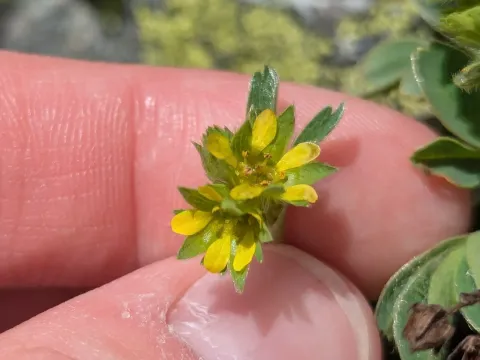
Sibbaldia parviflora
Sibbaldia parviflora
Sibbaldia parviflora, belonging to the Rosaceae family, is a distinct perennial herb primarily found in mountain ecosystems. This culture is adapted to harsh alpine environments, characterized by rocky terrain, high UV exposure, and significant seasonal temperature fluctuations.
What the section contains
Sibbaldia parviflora
Botanically, the plant is recognized for its low-growing, mat-forming habit. Its foliage consists of tripartite leaves with serrated margins, often covered in fine hairs that help reduce water loss through transpiration and protect the plant against harsh wind chill.
To cultivate Sibbaldia parviflora successfully, producers must ensure excellent drainage. The species thrives in gritty, mineral-rich soils that mimic its natural alpine habitat. Heavy or waterlogged soils are detrimental to the root system, often leading to rapid decline.
Regarding climate, the plant prefers cool, airy conditions. While it requires full sun for healthy development, in lowland cultivation areas, it is essential to protect the root zone from overheating. Mulching with gravel or decorative stones is highly recommended to maintain soil temperature stability.
Agronomic maintenance centers on irrigation management. The soil should remain moist but never saturated. Because the plant is native to nutrient-poor soils, fertilization should be minimal to avoid stimulating excessive vegetative growth at the expense of root resilience and winter hardiness.
The primary threats to the health of Sibbaldia parviflora are fungal pathogens, specifically those causing crown rot. These issues are almost exclusively related to poor soil aeration and humidity management, necessitating preventative measures like thinning out dense plantings.
Pest pressures include spider mites, which thrive in hot, dry conditions, and aphids that target developing floral stalks. Implementing integrated pest management, starting with biological controls, is the most effective approach for maintaining healthy plant stands.