
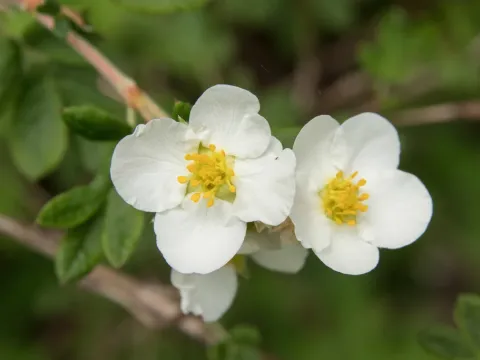
Shrubby cinquefoil
Dasiphora Raf.
Shrubby cinquefoil (Dasiphora) is primarily propagated through vegetative methods, including cuttings or division of established bushes. The ideal time for planting nursery-grown shrubs is during the spring after the soil has thawed, or in early autumn before the ground freezes.
What the section contains


Shrubby cinquefoil
When propagating via seeds, sow them outdoors in late autumn for natural stratification. If starting in a greenhouse, sowing in March provides the best results for germination as the seeds require a period of cold treatment to break dormancy.
Site selection is critical for success; this plant requires full sun to maintain a compact, bushy habit and to ensure profuse flowering throughout the season. Partial shade is tolerable, but it significantly reduces the overall vigor and blossom production.
Space plants at least 60 to 80 centimeters apart to promote airflow. Proper spacing is essential to prevent high humidity within the foliage, which is a common trigger for fungal issues in denser plantings.
When preparing the planting pit, ensure it is twice as wide as the root ball and include a drainage layer of gravel or crushed brick at the bottom to prevent waterlogging, especially in clay-heavy soils.
Shrubby cinquefoil belongs to the Rosaceae family. It is a hardy, deciduous, perennial shrub known for its incredible resilience and adaptability to various climates, from temperate plains to mountainous regions.
The plant thrives in light, well-draining, and moderately fertile soils with a neutral or slightly acidic pH. Heavy clay soils should be amended with sand and organic compost to improve soil structure and root respiration.
While the species is highly drought-tolerant once established, supplemental watering during prolonged dry spells is recommended to keep the foliage vibrant and to extend the flowering period throughout the late summer months.
Regular maintenance involves a significant pruning session every spring. Removing a portion of the old, woody stems encourages the growth of fresh, succulent shoots where the next season’s flowers will form.
Fertilization with a balanced mineral mix should occur twice per year: once in early spring as buds begin to swell and again in mid-summer to support the ongoing reproductive development of the shrub.
The economic value of shrubby cinquefoil centers on the harvest of its aerial parts—shoots, leaves, and flowers—which are prized for their medicinal applications. Harvesting is best executed during the peak blooming period.
Yield capacity is influenced by the plant's age and health; generally, bushes aged 3 to 7 years provide the highest concentration of active compounds, including tannins, vitamin C, and essential flavonoids.
Post-harvest processing involves rapid drying in shaded, well-ventilated conditions or industrial drying chambers to preserve the botanical potency and prevent the degradation of chemical constituents.
The resulting herbal material is widely utilized in the pharmaceutical and tea industries for its antimicrobial, antioxidant, and tonic properties, which are documented in traditional folk medicine systems.
Beyond its pharmacological use, the plant remains a staple in landscaping and urban planning. Its longevity and aesthetic appeal make it a preferred choice for sustainable gardening and erosion control on slopes.
While generally robust, shrubby cinquefoil can suffer from powdery mildew in stagnant air environments. Good horticultural hygiene and thinning of the interior branches are the best preventive measures against this pathogen.
Leaf spot diseases can occasionally emerge under conditions of extreme humidity. If symptoms appear, removing the affected foliage and applying a systemic fungicide can effectively stop the spread of the infection.
Insect pests such as leaf-eating caterpillars and aphids may sporadically colonize the plants. Regular monitoring of the shoot tips during the spring allows for the quick manual removal of infestations before they escalate.
Root rot is the most lethal condition for this species, occurring almost exclusively due to poorly drained soil. Ensuring the soil has adequate drainage is more effective than any chemical treatment for the plant's long-term health.
- Ensure adequate light and airflow to prevent mildew.
- Maintain consistent soil drainage to prevent root diseases.
- Use only high-quality, disease-free nursery stock.
- Remove debris and weeds from the plant base annually.