
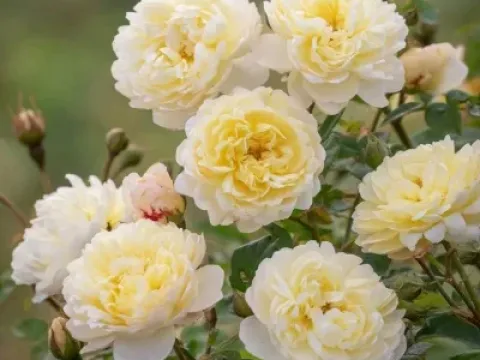
Shrub rose
Rosa shrub
Shrub rose (Rosa shrub) belongs to the Rosaceae family. This diverse group includes robust, deciduous shrubs known for their vigorous growth habits, cold hardiness, and wide range of flower forms, making them a staple in modern garden landscaping.
What the section contains
Shrub rose
These plants thrive in full sun exposure, requiring at least six hours of direct sunlight daily to produce high-quality blooms. The ideal soil is rich in organic matter, well-draining, and slightly acidic to neutral to ensure optimal nutrient uptake and root health.
Climate adaptability is a hallmark of shrub roses. While they perform best in temperate zones, many modern cultivars are bred to withstand harsh winters. Providing a thick layer of mulch before the ground freezes is a recommended practice for winter protection.
Watering requirements vary based on the growth stage; newly planted shrubs require frequent hydration to establish roots, while mature plants can tolerate short dry spells. Deep watering at the base is preferred to minimize leaf wetness.
Fertilization should be applied at the start of the growing season to support rapid shoot development. Using balanced granular fertilizers or well-composted manure helps maintain soil fertility and long-term plant vigor throughout the summer bloom cycles.
Black spot and powdery mildew are the most prevalent diseases affecting these roses. Prevention includes maintaining adequate space between plants to allow for airflow and avoiding overhead irrigation, which keeps foliage wet and creates ideal conditions for fungal pathogens.
Common insect pests include aphids and rose slugs. Regular scouting of the underside of leaves allows for early detection. Integrated pest management strategies, such as introducing beneficial insects, can often keep populations below damaging levels without harsh chemicals.
Shrub roses are primarily utilized for their ornamental value in parks, residential gardens, and as structural elements in landscape design. They are valued for their reliability and long-lasting seasonal performance in varied soil conditions.
Harvesting for floral arrangements is feasible with many varieties. It is recommended to harvest stems in the early morning or late evening when the plant's water content is highest, ensuring that the cut stems are immediately placed in clean, cool water to extend vase life.