
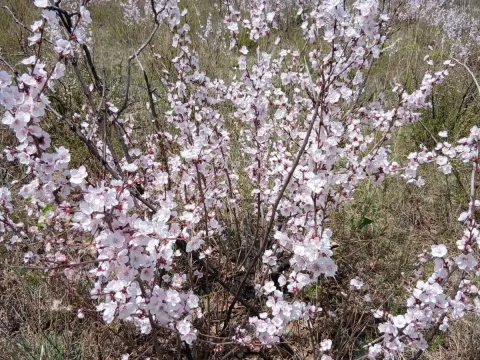
Siberian apricot
Prunus sibirica
The Siberian apricot (Prunus sibirica) is a member of the Rosaceae family, recognized for its extreme hardiness and ability to thrive in challenging environments.
What the section contains
Siberian apricot
Propagation is typically performed by seeds, as seedlings maintain the genetic vigor and cold tolerance characteristic of the species.
For optimal results, seeds should be sown in the autumn, allowing for natural winter stratification in the soil, which breaks seed dormancy.
If spring sowing is planned, seeds must undergo cold stratification in damp sand at temperatures between 0°C and 5°C for approximately 90 days before planting.
Seeds are placed at a depth of 5–7 centimeters; proper moisture management in the seedbed is essential during the initial germination phase in the spring.
The primary feature of this species is its exceptional frost resistance, as it can withstand winter temperatures plummeting down to -45°C.
It demands full sun exposure to flourish; even minor shading can inhibit flower bud formation and significantly reduce overall tree vigor over time.
The plant is highly adaptable to various soil types, including rocky, poor, or sandy substrates, provided they offer excellent drainage and aeration.
It does not tolerate waterlogged soil or high water tables; therefore, planting on slopes or elevated terrain is highly recommended for long-term health.
While young trees require regular watering to establish their root systems, mature trees exhibit remarkable drought tolerance in their native habitat.
The fruits of the Siberian apricot are small, often featuring a dry texture and a tart, sometimes bitter flavor, which limits their appeal for fresh consumption.
Despite their limited fresh market value, the fruits are highly valued for artisanal processing, particularly in making jams, jellies, and traditional fruit preserves.
The kernels are rich in fatty oils, which are extracted for use in cosmetic and food industries after proper refining processes are applied to remove toxins.
The species is most widely utilized in agriculture as a robust rootstock for cultivated apricot varieties, conferring high winter hardiness to grafted trees.
Trees typically begin to bear fruit after five to seven years of growth, with yields varying significantly based on spring weather patterns and pollination success.
The most critical threat to production is late spring frosts, which often damage flowers and buds because the tree blooms very early in the season.
Monilia blight (blossom wilt) is a major fungal disease that attacks blossoms and twigs during cool, humid spring weather, potentially devastating the crop.
Pests such as aphids, leaf rollers, and scale insects can affect tree health, necessitating integrated pest management strategies in specialized nurseries.
Regular sanitation, such as removing dead branches and infected fruit, is essential to minimize the risk of fungal pathogens overwintering in the canopy.
Protective spraying during the dormant period and at the onset of bud break can significantly reduce the pressure from common fungal and insect pests.
Harvesting takes place when the fruits reach physiological maturity, indicated by the skin color change and a slight softening of the fruit flesh.
Since fruit ripening is often uneven within the tree, multiple harvest passes are usually required to collect the fruit at its peak quality.
Post-harvest life is short, requiring fruit to be processed or consumed shortly after picking, as they are prone to rapid softening and spoilage.
Care must be taken during harvest to avoid damaging the fruiting spurs, as these are critical for the production of subsequent year's crops.
For seed collection, fruit should be left on the tree until fully ripe, after which the pits are extracted, cleaned, and dried in a cool, ventilated area.