
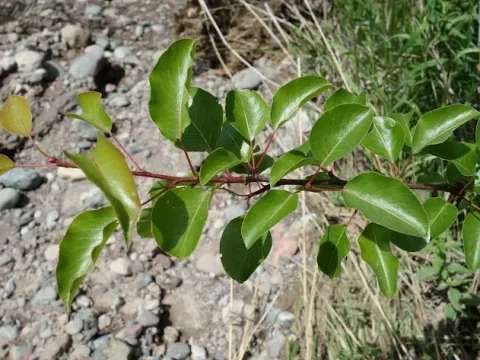
Turkmen pear
Pyrus turcomanica
The Turkmen pear (Pyrus turcomanica) is a distinct species belonging to the Rosaceae family, primarily native to the mountainous regions of Central Asia.
What the section contains
Turkmen pear
This species is highly valued in pomology for its natural adaptation to extreme environments, surviving harsh, arid climates where other varieties fail.
In terms of soil requirements, the plant prefers well-drained, nutrient-rich soils that support its deep taproot system, which is crucial for nutrient uptake.
Climate adaptation is a key feature; the tree shows remarkable resilience to significant temperature fluctuations between day and night, typical of its native range.
Cultivation practices involve proper spacing to ensure adequate air circulation, which helps maintain plant vigor and enhances the quality of fruit development.
Fire blight is considered one of the primary threats to the species, capable of causing rapid decline if not managed through rigorous sanitation.
Various fungal pathogens, such as scab, can affect the leaf canopy during periods of high atmospheric humidity, necessitating periodic preventive treatments.
Wood-boring insects present a persistent challenge, as they can cause structural damage to the trunk, making the tree more susceptible to secondary infections.
Integrated pest management strategies are recommended to preserve the genetic health of the species, prioritizing environmental safety and long-term tree productivity.
Proactive monitoring for signs of infestation, especially during the active growing season, is essential for maintaining a healthy and productive orchard.