
Rubus velox
Rubus velox
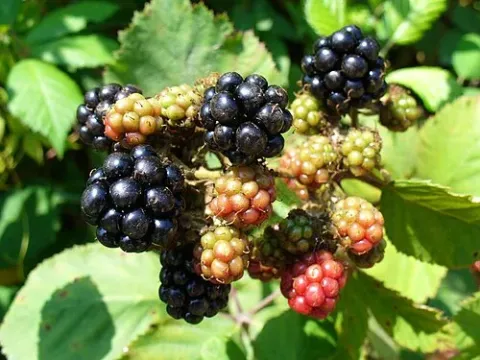
Rubus velox, commonly known as a type of blackberry, is a perennial shrub belonging to the Rosaceae family. It is recognized for its vigorous growth habit and ability to colonize specific habitats.
What the section contains
Rubus velox
This species thrives in areas with full sun exposure, which is essential for fruit development and the prevention of humidity-related pathogens within the dense foliage of the plant.
The ideal soil conditions involve deep, fertile, and well-drained loam. The species is sensitive to poorly drained substrates, which can lead to root rot if water stagnation persists for extended periods.
Climate requirements focus on mild to moderate temperature ranges. Adequate water availability is critical during the fruit-set and berry-filling stages to ensure maximum harvest quality.
Proper agronomic management involves regular training of the canes on trellises, which helps in managing plant vigor and simplifies the harvesting process for growers.
Common health issues affecting Rubus velox include various fungal diseases such as anthracnose and cane blight, which are prevalent in areas with high annual rainfall.
Sanitation practices, including the removal of dead or diseased canes after harvest, are vital to reducing the overwintering inoculum of fungi in the field.
Pests such as blackberry mites and aphids can pose significant challenges by damaging the flowers and reducing the overall commercial yield of the crop.
Integrated pest management strategies should be employed, focusing on cultural controls first, followed by chemical applications only when population thresholds are exceeded.
Vigilant field inspection is necessary to identify signs of stress or pest infestation early, ensuring that the vitality of the crop is maintained throughout the entire season.