
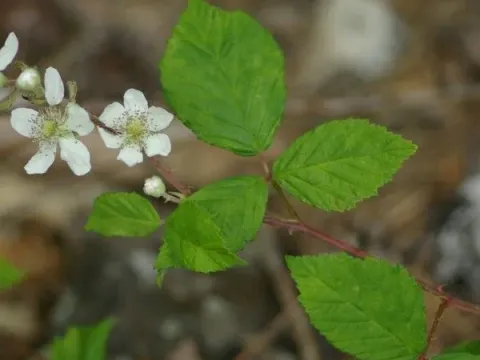
Rubus vigoi
Rubus vigoi
Rubus vigoi is a perennial shrub species belonging to the Rosaceae family, sharing many characteristics with other wild and cultivated brambles found in Mediterranean ecosystems.
What the section contains
Rubus vigoi
The crop requires fertile, well-draining soil with a balanced pH level. Optimal growth is observed in locations with deep soil profiles that allow for sufficient root development and moisture retention.
Sunlight exposure is a critical factor for Rubus vigoi; partial shade might be tolerated in very hot climates, but full sun is generally preferred to maximize the sugar content in the berries.
Regular irrigation is essential, particularly during the flowering and fruit-setting stages, to prevent stress that could negatively impact total productivity and fruit size.
Strategic pruning techniques are used to manage the density of the canes, ensuring that all parts of the plant receive adequate airflow to support healthy development.
The primary threats to Rubus vigoi include fungal pathogens such as Botrytis cinerea (gray mold) and various rusts that thrive in high humidity and poorly ventilated environments.
Pest management focuses on controlling common bramble pests such as spider mites, aphids, and raspberry beetles, which can cause significant damage to foliage and ripening fruit.
Integrated Pest Management (IPM) strategies, including biological control agents and selective chemical applications, are recommended to maintain a healthy plantation.
Sanitation practices, including the removal of dead or diseased wood, are vital for reducing the inoculum pressure of local pathogens throughout the growing season.
Monitoring for signs of root-related issues is also necessary, as waterlogging often leads to the development of crown and root rots, which are difficult to manage once established.
The harvest of Rubus vigoi is a delicate process that typically requires manual picking to ensure that only fully mature berries are collected.
Berries should be picked early in the day when the temperature is cool, as this helps maintain the structural integrity and firmness of the fruit during storage.
Proper post-harvest handling involves placing the fruit in shallow crates to avoid crushing, followed by immediate cooling if the produce is destined for fresh market distribution.
Post-harvest care of the plants involves providing post-season fertilization to support the accumulation of carbohydrates in the roots, ensuring vigor for the following year.
The versatility of Rubus vigoi allows for various commercial uses, including direct fresh consumption, freezing, or incorporation into various high-quality culinary applications.