
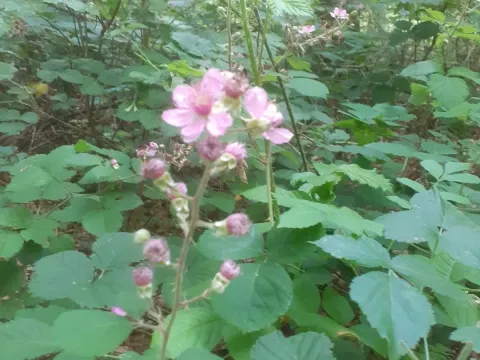
Pyramidal blackberry
Rubus pyramidalis
The pyramidal blackberry (Rubus pyramidalis) is a perennial shrub belonging to the Rosaceae family. This species is native to temperate zones and is characterized by its distinct growth habit, which often requires structural support for optimal development.
What the section contains
Pyramidal blackberry
The crop thrives in fertile, well-draining soils with a pH ranging from slightly acidic to neutral. Adequate organic matter incorporation is essential for maintaining soil structure and ensuring the availability of nutrients during the peak growing season.
Climate requirements include sufficient sunlight exposure, which is critical for flower bud initiation and fruit ripening. Although tolerant of moderate humidity, the plant requires protection from extreme temperature fluctuations and excessive wind exposure.
Regular irrigation is vital throughout the fruit-set and development phases. Moisture stress during these critical periods can significantly reduce berry size and sweetness, making consistency in watering a key agronomical goal.
Management practices include pruning out spent canes to encourage the vigor of current-season growth. Maintaining a clean orchard environment helps in managing light interception within the canopy, improving fruit quality and harvest efficiency.
Fungal pathogens such as anthracnose and gray mold are primary threats to Rubus pyramidalis. High humidity levels without adequate air circulation around the foliage create ideal conditions for these pathogens to thrive.
Rust infections can weaken the plant by reducing the photosynthetic area of the leaves. Preventive measures such as removing infected tissue and managing moisture levels are highly recommended to prevent large-scale outbreaks.
Pests, particularly aphids and cane borers, pose significant risks to the structural integrity and health of the plants. Aphids act as vectors for various viral diseases, making population control essential for long-term health.
The blackberry mite is another concerning pest that causes uneven ripening of fruits, leading to economic losses. Integrated pest management strategies, including the use of beneficial insects, can help maintain balance in the garden.
Sanitation is the cornerstone of plant protection. Regularly clearing debris and keeping the area weed-free minimizes the habitats available for overwintering pests, thereby reducing the necessity for intensive chemical intervention.