
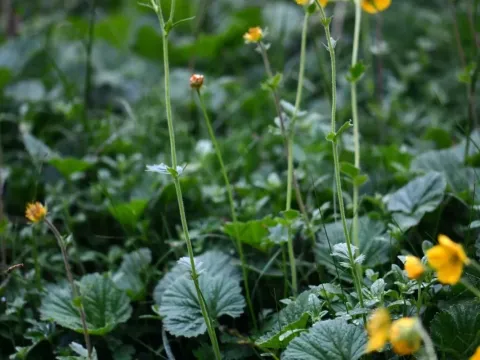
Pyrenean avens
Geum pyrenaicum
The Pyrenean avens (Geum pyrenaicum) is a perennial herbaceous plant belonging to the Rosaceae family. Native to the high-altitude meadows and rocky slopes of the Pyrenees, this species has evolved to thrive in cool, mountain climates where moisture is abundant and the soil is well-drained and nutrient-rich.
What the section contains
Pyrenean avens
Botanically, the plant is characterized by a basal rosette of leaves with a large, distinct terminal lobe. The flowering stems grow to a height of 20 to 40 centimeters, producing vivid, cup-shaped yellow flowers. This morphology makes it a highly desirable candidate for collectors of alpine and rock garden flora.
Cultivation of Geum pyrenaicum requires specific conditions to mimic its natural mountain habitat. It prefers fertile, loamy soils with a neutral pH level. Proper drainage is the most critical factor, as stagnant water around the roots can lead to fatal infections, particularly during the transition between winter and spring.
Regarding climate requirements, the plant appreciates cool temperatures and adequate atmospheric moisture. While it performs best in full sun, it benefits from partial shade in regions with intense afternoon heat to prevent foliage scorching. It is known for its cold hardiness, surviving harsh winter conditions when planted in appropriate zones.
The primary horticultural application of the Pyrenean avens is as an ornamental plant. Due to its compact growth habit and vibrant yellow blooms, it is frequently utilized in landscape design for rock gardens, stone troughs, and the foregrounds of mixed borders where it creates a naturalistic, alpine aesthetic.
The most common health issues for Geum pyrenaicum involve fungal pathogens, such as powdery mildew and various types of root rot. These issues are almost always correlated with poor soil drainage or inadequate air circulation, making preventive site preparation and spacing essential for a healthy crop.
Pest management primarily focuses on controlling sap-sucking insects, such as aphids, which can damage the tender floral buds and foliage. Implementing a regular monitoring program and employing organic pest control measures are the most effective ways to maintain the aesthetic appeal and vitality of the plants.