
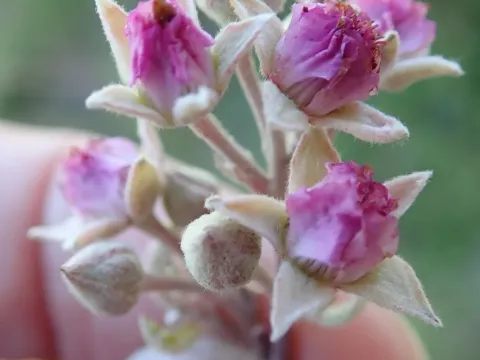
Ludwig's bramble
Rubus ludwigii
Ludwig's bramble (Rubus ludwigii) is a perennial shrub belonging to the Rosaceae family. Native to the mountainous regions of Eastern and Southern Africa, it is a hardy species adapted to high-altitude environments and variable weather conditions.
What the section contains
Ludwig's bramble
The plant features distinct prickly stems and compound leaves, often covered with a characteristic silvery tomentum on the underside. This biological adaptation helps the plant regulate water loss and withstand intense solar radiation found in its natural mountainous habitat.
In terms of growth requirements, this species thrives in well-drained, fertile soils with a slightly acidic to neutral pH level. Proper aeration of the root system is essential, as the plant does not tolerate waterlogging and can quickly succumb to root rot in poor conditions.
While primarily a wild species, it is recognized for its ecological importance in maintaining soil stability on slopes. Its presence is vital for local biodiversity, providing shelter and food for various small animals and mountain birds.
The culinary use of the berries is limited to local consumption, where they are harvested from wild populations. The flavor profile is typically tart and complex, making the fruit suitable for jams, jellies, and traditional regional beverages.
Like many members of the Rubus genus, Ludwig's bramble is susceptible to fungal pathogens, including rust and leaf spot diseases, which are particularly prevalent in areas with high atmospheric humidity.
Insect pests, such as aphids and various types of beetles, can cause significant damage to the foliage and developing flower buds if the plant is under stress or grown in inadequate conditions.
Root rot remains one of the most critical threats when cultivating the plant in garden settings, necessitating strict adherence to irrigation and drainage protocols to avoid saturated soil environments.
Environmental factors, such as extreme late frosts or excessive moisture during the flowering phase, can significantly reduce the potential fruit yield of the bushes.
Regular monitoring for signs of infection, such as yellowing or wilting of leaves, is necessary to prevent the spread of diseases, alongside maintaining a clean site free of decaying organic debris.