
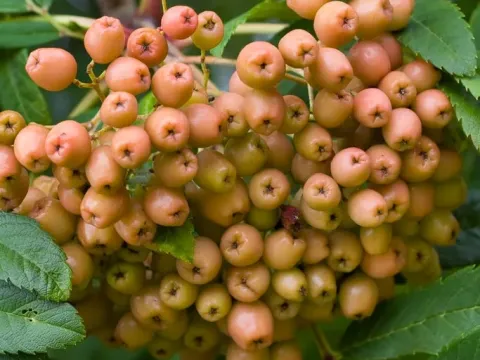
Madeiran rowan
Sorbus maderensis
The Madeiran rowan (Sorbus maderensis) is a rare deciduous tree species belonging to the Rosaceae family. It is an endemic plant native to the high-altitude forests of the island of Madeira, where it thrives in specific microclimates.
What the section contains
Madeiran rowan
Botanically, this species is well-adapted to cool, humid environments. In cultivation, it requires conditions that mimic its natural habitat, such as consistent moisture levels and protection from extreme heat or dry, scorching winds.
The tree prefers deep, well-draining soils rich in organic matter. Soil pH should ideally be neutral or slightly acidic. Drainage is critical; the root system is prone to rot if kept in waterlogged conditions for extended periods.
Regarding light, it is a sun-loving plant but benefits from partial shade in the hottest parts of the day if cultivated in warmer climates. Its ornamental appeal lies in its structured growth habit and attractive foliage throughout the seasons.
Maintenance involves routine watering during dry spells and the application of mulch to preserve soil structure. Due to its limited natural range, conservation-minded cultivation is encouraged to protect the species from potential extinction.
Fire blight is a significant threat to many Sorbus species, including the Madeiran rowan. It can cause rapid wilting of blossoms and twigs, necessitating the removal of infected parts to save the overall structure of the tree.
Pests such as aphids and leaf-eating beetles can cause stress by feeding on new growth. Integrated pest management strategies, focusing on biological controls, are highly recommended to maintain the ecological balance.
Powdery mildew may appear on the foliage during periods of stagnant air and high humidity. Improving air circulation through proper pruning techniques is an effective way to minimize the risk of such fungal issues.
Root rot, often caused by poor soil drainage, can lead to the decline of the plant. Monitoring for signs of stunted growth or yellowing leaves is essential for early detection and mitigation of soil-borne pathogens.
Maintaining high hygiene standards in the orchard or garden is vital. Regular cleaning of fallen leaves and the use of disinfected pruning tools prevent the spread of diseases within the plant population.