
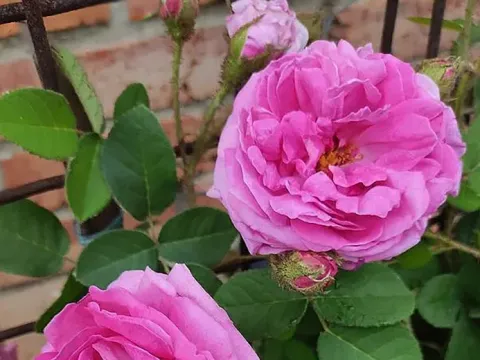
Moss rose
Rosa moss
The Moss rose (lat. Rosa muscosa) is a distinct type of garden rose belonging to the Rosaceae family. It is characterized by the unique glandular hairs on its sepals and flower stalks, which provide a mossy appearance and release a pleasant, resinous fragrance when touched.
What the section contains
Moss rose
Originating as a mutation of the Damask rose, this cultivar thrives in temperate climates. It requires full sunlight to partially shaded locations and benefits from shelter against harsh winds, which can damage the delicate mossy structures and petals.
Soil requirements for the Moss rose include well-drained, nutrient-rich loam with a neutral to slightly acidic pH. The plant performs best when provided with consistent moisture, though it is crucial to avoid waterlogged conditions that may cause root rot.
Standard agrotechnical practices for this rose include regular mulching to retain soil moisture and suppress weeds. Pruning is an essential aspect of care, performed in early spring to remove dead wood and encourage vigorous new growth from the base of the plant.
Historically, the Moss rose has been highly prized in ornamental horticulture for its unique texture and romantic aesthetic. It serves as an excellent focal point in heritage gardens, cottage-style landscapes, and mixed borders, offering a glimpse into classical rose breeding.
Common pathological threats include fungal diseases such as powdery mildew and black spot, especially in environments with poor air circulation and high humidity. These diseases can quickly compromise the plant's aesthetic value if left untreated.
Pests like aphids, spider mites, and rose leafhoppers can also pose a significant challenge. Integrated pest management, including regular manual inspection and the application of targeted insecticides, is recommended to keep the plants healthy and robust.