
Mougeot's whitebeam
Sorbus mougeotii
Description
Growing requirements
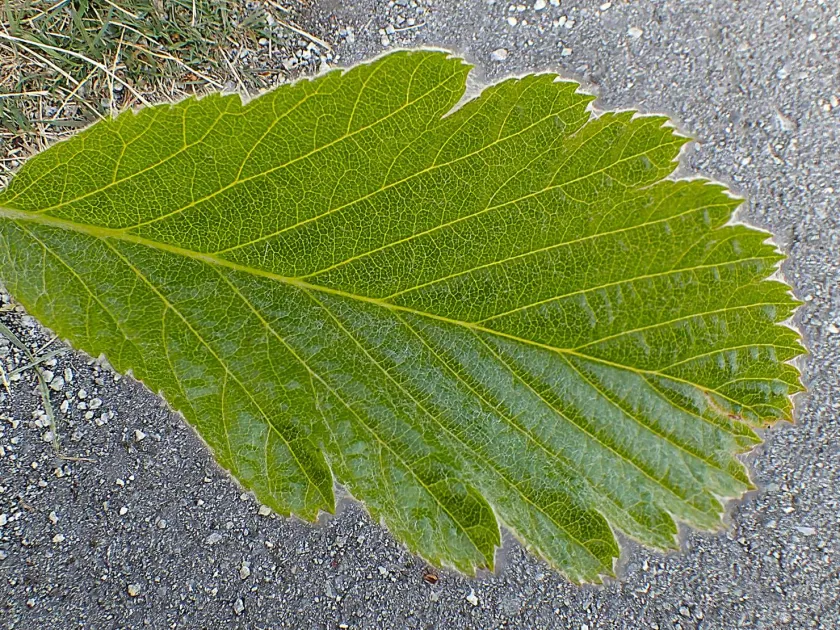
Mougeot's whitebeam (Sorbus mougeotii) belongs to the Rosaceae family and is highly regarded in arboriculture for its distinctive, silvery-underside leaves and compact, conical growth habit.
Native to the mountain regions of Central Europe, specifically the Alps, this tree is naturally adapted to rocky terrains and varying altitudes, showing remarkable resilience in harsh environments.
In terms of soil requirements, this species is quite versatile; it thrives in well-drained, neutral to slightly acidic soils, though it has an excellent tolerance for calcareous or limestone-rich substrates.
The climate requirements for optimal development include a sunny to semi-shaded location, where the tree can benefit from natural light to maintain the dense, ornamental structure of its foliage.
Proper agricultural practices involve initial irrigation during the establishment phase and applying organic mulches to retain soil moisture and regulate temperature around the root zone.
Main diseases and pests
The tree may be susceptible to common fungal pathogens such as fire blight and apple scab, which can impact the leaves and branches if humidity remains high for extended periods.
Insect pests such as aphids and various types of scale insects may infest the tree, particularly affecting new growth and young leaves during the early spring flush.
Integrated pest management strategies, including the use of horticultural oils and systemic fungicides, are effective in maintaining the tree’s aesthetic health and vigor throughout the year.
Pruning should be performed during the dormant season to remove dead or diseased wood, which helps in reducing the population of spores and potential overwintering sites for pests.
Maintaining high vitality through balanced fertilization and correct site selection significantly reduces the tree's vulnerability to these common environmental and biological threats.