
Mountain cinquefoil
Potentilla montana
Description
Growing requirements
Mountain cinquefoil (Potentilla montana) is a perennial herbaceous plant belonging to the Rosaceae family. This species is native to mountainous regions in Europe, where it has adapted to growing in rocky environments and well-drained alpine meadows.
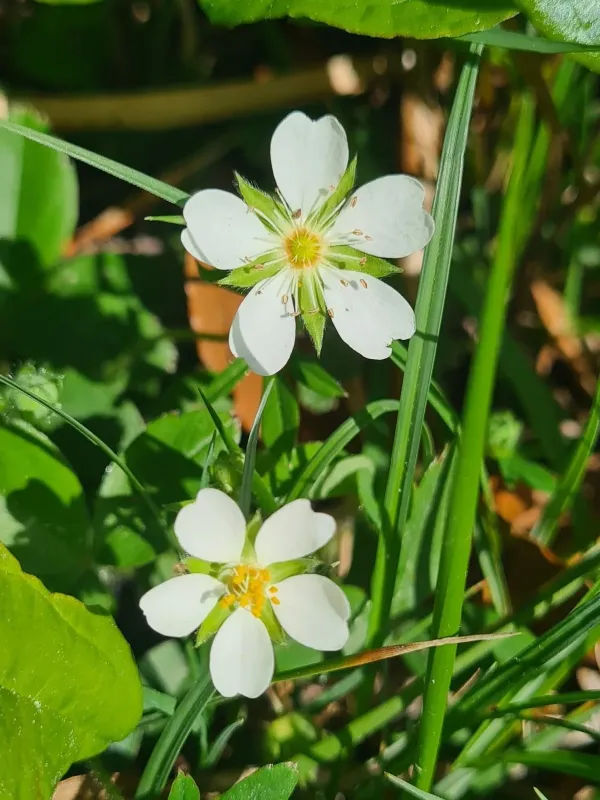
Botanically, the plant is distinguished by its low-growing habit and a rosette of leaves from which thin, elegant stems arise. The plant produces delicate white flowers that are highly valued in ornamental horticulture for their aesthetic appeal and resilience in cold climates.
The success of growing Potentilla montana depends on choosing the right site. It requires full sun or partial shade and thrives in gritty, well-draining soil that is neither too acidic nor too alkaline. Good drainage is essential to prevent root rot in wet conditions.
Cultivation practices are relatively straightforward, as the plant does not demand intensive maintenance. Occasional watering during dry spells and the removal of spent flower stalks are usually sufficient to keep the plant healthy and vigorous throughout the growing season.
In terms of agricultural and landscape use, mountain cinquefoil is primarily cultivated as a ground cover for rock gardens, borders, and alpine terraces. Its dense growth habit makes it an excellent choice for stabilizing soil on slopes and providing a beautiful, flowering display.
Main diseases and pests
The primary threats to this culture are fungal diseases, such as powdery mildew, which often occur due to poor air circulation or excessive moisture around the crown. Ensuring proper spacing between plants is the most effective cultural method to reduce these risks.
Pests such as aphids and leaf-eating beetles may occasionally impact the foliage during the peak growing months. Integrated pest management, including regular inspection and the use of insecticidal soaps, is recommended to manage populations and ensure plant health.