
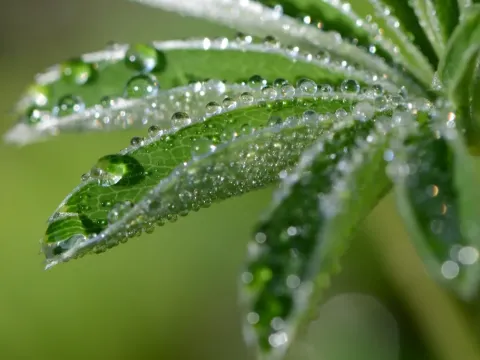
Lady's Mantle
Alchemilla
Lady's Mantle (Alchemilla), a member of the Rosaceae family, is typically propagated by seeds or division. Seeds require a period of cold stratification to break dormancy, making autumn sowing in open ground the most natural and effective method.
What the section contains
Lady's Mantle
For spring sowing, seeds must be kept in cold storage at temperatures between +1 and +5 degrees Celsius for about six weeks. The seeds should be surface-sown and pressed gently into the soil, as they require light to germinate successfully.
Transplanting seedlings to the field is best done in late spring once the soil has warmed and the risk of frost has passed. Young plants require careful attention to water levels and protection from fast-growing weeds during their first season.
Vegetative propagation via division of established clumps is highly efficient. This should be performed in early spring or late August, ensuring that each division has a healthy root system and a few growing buds.
Spacing requirements vary depending on the end-use, but a density of 4 to 6 plants per square meter is standard for medicinal crop production. This allows for adequate air circulation and eases the maintenance process.
This crop thrives in fertile, moisture-retentive loamy soils with a neutral or slightly acidic pH. It performs best in locations that remain consistently moist, as the plant is sensitive to prolonged drought periods.
Lady's Mantle is highly adaptable regarding sun exposure. While it tolerates full sun in cooler northern climates, it benefits from partial shade in hotter regions to prevent leaf scorch and maintain the quality of the foliage.
It is a hardy perennial, capable of surviving harsh winters without specific protection. Its robust nature makes it a reliable choice for commercial herb production across temperate zones.
Regular cultivation between rows is recommended to improve soil aeration and prevent compaction. Maintaining a layer of organic mulch helps retain soil moisture and naturally suppresses weed growth throughout the growing season.
Fertilization with balanced NPK compounds in early spring promotes vigorous growth. However, excessive nitrogen should be avoided, as it can lead to succulent growth prone to fungal attacks and lower the concentration of medicinal compounds.
The most common disease affecting Lady's Mantle is powdery mildew, particularly in dense stands with high humidity and poor airflow. Prompt removal of infected leaves is essential to contain the spread.
Root rot may occur if the soil is poorly drained or if the planting site is prone to waterlogging. Improving field drainage is the most effective preventative measure against these soil-borne pathogens.
Pests like aphids and spider mites may appear during dry spells. Biological pest control methods, such as the use of predatory insects or organic insecticidal soaps, are preferred to maintain the quality of the raw material.
Proper plant spacing is critical to mitigate the risk of disease. Ensuring enough distance between plants allows for better foliage drying after rain, significantly reducing the chances of fungal infections.
Sanitation practices, such as removing debris at the end of the season, significantly lower the overwintering population of pests and spores, ensuring a healthier crop in the subsequent year.
Harvesting should be timed with the peak flowering period, as this is when the plant contains the highest concentration of tannins and flavonoids. Mid-to-late summer is typically the primary window for harvesting.
The aerial parts are harvested by cutting the stems several inches above the ground. This method allows the plant to recover and potentially produce a second flush of growth before the winter dormancy.
After harvesting, the material must be dried promptly in a shaded, well-ventilated area. Rapid drying prevents the leaves from turning brown and preserves the essential phytochemicals required for medicinal use.
Quality control during post-harvest handling involves sorting the material to remove weeds, discolored leaves, and soil particles. Cleanliness is paramount for meeting pharmaceutical or market standards.
Once dried, the herb should be stored in a cool, dark, and dry environment within sealed containers. Proper storage conditions ensure that the medicinal potency of the Lady's Mantle is maintained for up to two years.