
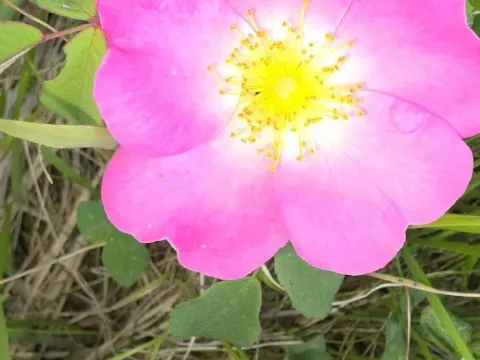
French rose
Rosa gallica
The French rose (Rosa gallica) belongs to the Rosaceae family and is native to Central and Southern Europe. It is a hardy, deciduous shrub highly valued for its fragrance and medicinal properties.
What the section contains
French rose
The plant thrives in well-drained, fertile soil with a neutral to slightly acidic pH. It requires a sunny, open location to ensure optimal photosynthesis and to prevent dampness that leads to fungal growth.
Agricultural practices for Rosa gallica involve regular soil enrichment with organic matter and consistent moisture management, particularly during the initial growth stages or prolonged heatwaves.
It is primarily propagated through vegetative means, such as root cuttings or division, which ensures that new plants retain the specific traits of the parent shrub.
Proper spacing between plants is essential for airflow, which reduces humidity around the foliage and encourages healthy, vigorous development of the crown throughout the season.
Like many species of the genus Rosa, the French rose is susceptible to powdery mildew and rust, especially in humid or stagnant climatic conditions where air circulation is restricted.
Pests like aphids, spider mites, and rose leaf rollers are common threats that can cause significant damage to leaves and buds if left unchecked by integrated pest management practices.
Root rot is a major risk in waterlogged soil, making proper drainage and careful site selection critical components of the overall agricultural strategy for this crop.
Regular monitoring of plant health, along with early detection of symptoms, allows for targeted intervention using ecological or chemical controls, minimizing potential crop losses.
Sanitation within the plantation is key; removing fallen leaves and pruning dead wood reduces the survival rate of pathogens and pests throughout the winter dormancy period.
Harvesting of rose hips takes place when the fruit is fully mature and firm. Hand-picking is the preferred method to prevent bruising, ensuring that the raw material remains high-quality.
The fruits are extensively used in both the pharmaceutical industry for their high vitamin content and in the cosmetic industry for the production of aromatic oils.
Once harvested, the hips must be dried rapidly to inhibit enzymatic degradation and microbial growth, preserving the bioactive compounds required for commercial applications.
In addition to hips, the petals of Rosa gallica are harvested for culinary and aesthetic uses, including the production of floral waters, jams, and dried botanical mixtures.
Strategic harvesting schedules are essential to maintain the vitality of the plant for the following season while maximizing the yield of high-demand raw materials.