
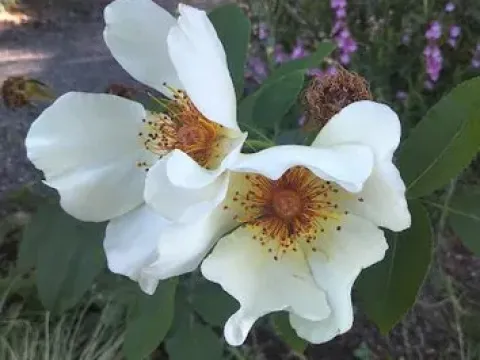
Fuji wild rose
Rosa fujisanensis
Fuji wild rose (Rosa fujisanensis) is a unique botanical species belonging to the Rosaceae family. Native to the mountainous terrains of Japan, specifically near Mount Fuji, this plant has adapted to survive in distinct environmental conditions characterized by elevation and specific soil compositions.
What the section contains
Fuji wild rose
The plant exhibits typical shrub architecture with slender, slightly thorny stems and compound, serrated foliage. Its botanical uniqueness lies in its high level of hardiness and the ability to thrive in poor, rocky volcanic soils which are characteristic of its native habitat in East Asia.
Cultivation of Rosa fujisanensis requires a careful balance of humidity and temperature. It prefers cool, well-ventilated environments where it is protected from scorching mid-day sun, mimicking the semi-shaded conditions found in its natural mountain forest edges.
Regarding soil, the species demands an excellent drainage system. It is intolerant of waterlogged roots, so planting in raised beds or adding porous aggregates like perlite or small volcanic stones to the soil mix is highly recommended to replicate its natural environment.
The primary use of this species is in specialized botanical gardens and as a genetic resource for rose breeders. Its resilience and unique phenotypic traits make it a subject of ongoing study for developing new, environmentally tolerant ornamental rose varieties for professional landscaping.
The most common threats to the health of this species include various leaf spot diseases and powdery mildew, which thrive when plants are kept in environments with poor air circulation or excessive humidity levels during the summer season.
Pests like spider mites and aphids are known to target Rosa fujisanensis, especially when the plant is under water stress. Implementing a regular monitoring program and using organic horticultural oils can effectively manage these populations without damaging the plant.