
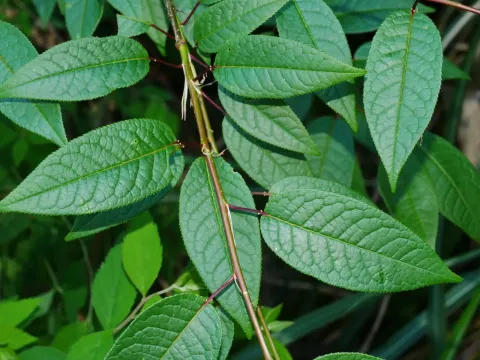
Vaniot cherry
Prunus vaniotii
Vaniot cherry (Prunus vaniotii) is a perennial woody plant belonging to the Rosaceae family. Native to the mountain regions of East Asia, this species has adapted to specific forest ecosystems, occupying niches that provide both shelter and necessary soil moisture.
What the section contains
Vaniot cherry
The cultivation of this species requires well-drained, fertile soil with a slightly acidic to neutral reaction. Unlike more common commercial cultivars, Prunus vaniotii appreciates a substrate rich in organic matter, mimicking the forest litter conditions found in its natural habitat.
This cherry tree thrives in temperate climates characterized by distinct seasons, which are essential for its dormancy cycle. It requires sufficient chilling hours during the winter to ensure proper flowering and fruit set in the subsequent spring season.
The agrotechnical management of the species includes regular irrigation during the dry summer months, especially during the fruit development stage. Maintaining a mulch layer around the base of the tree helps regulate soil temperature and moisture levels efficiently.
Pruning is essential to maintain tree vigor and structural integrity. Regular removal of dead or crossing branches promotes optimal airflow and light penetration, which are vital for healthy growth and long-term vitality of the Prunus vaniotii specimen.
The species is susceptible to standard stone fruit pathogens, including fungal leaf spots and brown rot. Moist and stagnant air conditions significantly increase the risk of these diseases, making proper tree spacing and canopy management critical for health.
Insect pests, such as aphids and various fruit-boring larvae, can affect overall productivity. Integrated pest management strategies, focusing on monitoring and early intervention, are recommended to maintain the health of the tree without harming beneficial insects.
Winter injury to the trunk by rodents is a common threat for young specimens. Protective guards or wire netting are essential tools for ensuring the long-term survival and healthy development of the tree in regions where wildlife populations are dense.
Viral pathogens may potentially threaten the longevity of the plant, necessitating strict hygiene practices. Using clean, disease-free nursery stock and disinfecting pruning tools after each cut are fundamental steps to prevent the spread of systemic plant diseases.
Monitoring for signs of nutrient deficiencies or stress is an ongoing task for the cultivator. Timely adjustments in fertilization or water supply can often prevent the plant from becoming vulnerable to opportunistic diseases, ensuring a resilient and productive growth pattern.