
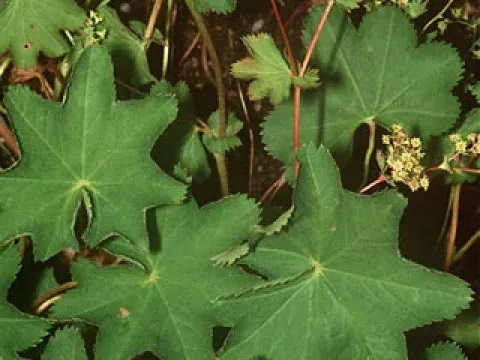
Tyrol lady's-mantle
Alchemilla tirolensis
Tyrol lady's-mantle (Alchemilla tirolensis) is a perennial herbaceous plant belonging to the Rosaceae family. It is native to the high-altitude regions of the Alps, where it thrives in calcareous soils and mountainous climate conditions.
What the section contains
Tyrol lady's-mantle
The plant is biologically characterized by its basal rosette of scalloped, fan-shaped leaves and its remarkable resilience to cold temperatures. Its growth habit is typically low and spreading, which aids in soil moisture retention.
Agricultural cultivation requires well-drained, nutrient-rich soil with a neutral to slightly alkaline pH. Proper soil aeration is essential, as the roots are sensitive to waterlogging and compaction in poorly managed fields.
Regarding climate, the plant prefers cool to moderate temperatures and can adapt to both full sun and partial shade. Consistent soil moisture is necessary during the active growing season to ensure optimal leaf development and quality.
Commercially, Tyrol lady's-mantle is cultivated primarily for its medicinal properties, particularly its high tannin content, which is valuable in the pharmaceutical industry and traditional herbal medicine.
The crop is prone to fungal infections such as downy mildew and rust, especially in environments with high humidity and limited air circulation between the plants.
Pests that frequently impact the development of Alchemilla tirolensis include aphids and spider mites, which feed on the sap and can lead to chlorosis and stunted growth of the foliage.
Effective management strategies include maintaining appropriate spacing between plants to enhance ventilation and applying preventive fungicides during periods of high humidity.
Integrated pest management (IPM) practices, such as the introduction of beneficial insects or the use of organic deterrents, are highly recommended to preserve the pharmacological quality of the plants.
Regular field inspection is vital to identify early signs of infestation, as timely intervention with localized treatments can prevent the spread of diseases across the entire crop area.