
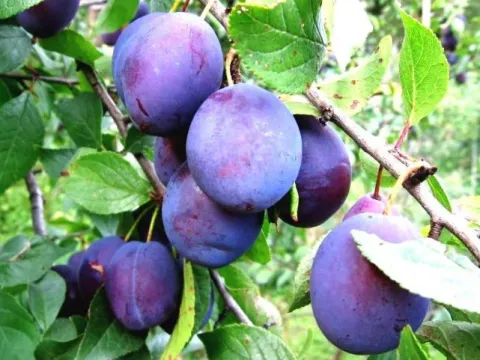
Ussurian plum
Prunus ussuriensis
The Ussurian plum, known botanically as Prunus ussuriensis, is a cold-hardy species within the Rosaceae family. Native to the Russian Far East, Northeast China, and Korea, it has evolved to thrive in regions characterized by severe winter climates and short growing seasons.
What the section contains
Ussurian plum
The plant grows as a deciduous tree or large shrub, typically reaching heights of 3 to 5 meters. Its significant cold tolerance, often surviving temperatures as low as -40°C, makes it a vital genetic resource for plant breeding programs focused on developing hardy fruit varieties.
Cultivation requires sites with ample sunlight and excellent air circulation. The species performs best in deep, fertile loam soils that are well-drained. Avoiding waterlogged or poorly drained clay soils is crucial to preventing root rot and ensuring long-term tree health.
Basic agronomic practices include applying organic mulch to retain soil moisture and regular mineral fertilization during the spring. Annual pruning is necessary to maintain a balanced canopy structure, remove deadwood, and encourage productive growth throughout the tree.
Beyond its culinary uses, such as jams and desserts, the Ussurian plum is widely valued in horticulture as a rootstock. Its extreme resilience helps confer winter hardiness and disease resistance to more sensitive stone fruit cultivars grafted onto it.
Trees generally begin to bear fruit between the third and fourth year after planting. Yield potential is high when cross-pollination is provided, as the species is self-infertile and requires compatible varieties planted in proximity to ensure consistent fruit set.
Fungal diseases like plum pocket and monilinia are the primary threats. These can cause significant damage to flowers and young shoots, especially during damp spring weather. Implementing a strict fungicide spray schedule and sanitation is essential for control.
Insect pests, including the plum curculio and aphids, can impact both foliage and fruit quality. Integrated pest management, including the use of pheromone traps and horticultural oils, is recommended to minimize chemical reliance while protecting the harvest.
Harvesting typically occurs in late summer or early autumn. As the fruit is somewhat soft and delicate upon ripening, it should be picked by hand and handled with care to prevent bruising, ensuring it remains suitable for fresh consumption or commercial processing.