
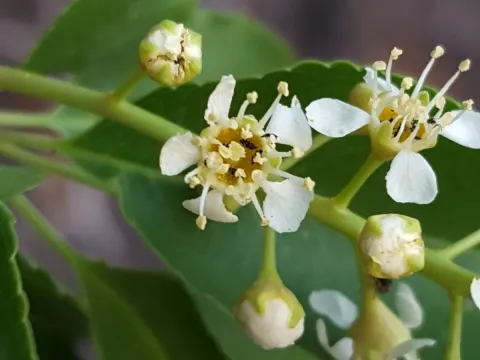
Virens cherry
Prunus virens
Virens cherry (Prunus virens) is a species belonging to the Rosaceae family. This tree is native to the mountainous regions of Mexico and parts of the United States, where it thrives in natural forest environments at varying elevations.
What the section contains
Virens cherry
The species prefers well-drained, fertile soils with a neutral pH. It is adapted to mountainous climates, which implies a requirement for moderate rainfall and protection from extreme, harsh dry winds during the peak growth season.
Botanically, it is a deciduous tree that exhibits high ecological plasticity. The foliage is typically vibrant green, and the structure of the tree allows it to withstand various environmental stressors characteristic of high-altitude habitats.
Cultivation practices for Prunus virens include ensuring adequate spacing between trees to allow for natural airflow. Irrigation should be applied strategically, avoiding waterlogging while ensuring the soil remains moist enough for root development.
The plant serves an important role in biodiversity and ecosystem health. Its management often focuses on preservation and maintenance of natural growth forms, with minimal pruning required unless the tree is used for specific horticultural purposes.
Common diseases affecting Prunus virens include fungal infections like leaf spot and brown rot. These pathogens thrive in high humidity and can cause significant damage to the foliage and potential fruit yield if left unmanaged.
Pest pressure often comes from aphids and borers, which can weaken the tree structure. Monitoring the bark for signs of borer activity is essential, as these pests can cause irreversible damage to the vascular system of the tree.
Root rot, typically caused by soil-borne fungi, is a severe threat in poorly drained soils. Improving soil aeration through proper cultivation techniques is the most effective preventative measure against this systemic issue.
Viral infections may occur, often transmitted by insect vectors. Maintaining a healthy garden environment by removing weeds and controlling sap-sucking insects helps in limiting the transmission of these viruses between trees.
Integrated Pest Management (IPM) strategies are highly recommended for this species. This involves a combination of biological controls and selective application of treatments, ensuring that the tree remains robust throughout its life cycle.