
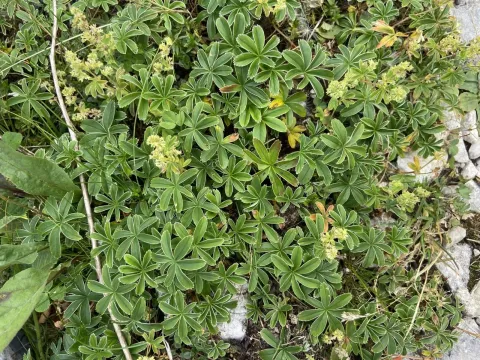
Velebit lady's mantle
Alchemilla velebitica
The Velebit lady's mantle (Alchemilla velebitica) is a perennial herbaceous plant belonging to the Rosaceae family. It is a specialized endemic species native to the high-altitude mountainous regions of the Velebit massif, characterized by its adaptation to rocky and challenging environments.
What the section contains
Velebit lady's mantle
Botanically, this plant is recognized by its dense rosettes of silver-haired leaves, which provide an attractive, velvety appearance. It grows as a low-spreading mat, making it highly resilient and suitable for mountainous garden landscapes where it can thrive on limited substrates.
Regarding soil and climatic requirements, the plant demands well-drained, porous soil with a neutral to slightly alkaline pH. It is particularly sensitive to waterlogging, as the stagnant moisture can easily rot the root system, emphasizing the importance of proper site selection.
Agrotechnical management includes positioning the plant in full sun or partial shade. While it is hardy and capable of surviving cold winter temperatures, it appreciates a moderate amount of mulch to protect the crown from freezing cycles in climates with limited snow cover.
Its primary horticultural use is within rock gardens and alpine designs. Due to its slow-growing and compact habit, it serves as an excellent ground cover, helping to stabilize soil on slopes and providing a neat, permanent aesthetic to garden borders.
The main threats to the plant include fungal diseases such as powdery mildew, which thrive in conditions of poor air circulation and high humidity. Proper spacing between plants is essential to ensure adequate airflow and prevent these outbreaks.
Root rot is a critical threat that typically results from excessive irrigation or heavy, non-draining soil. Once the root system begins to decay, the plant loses its ability to uptake nutrients, leading to rapid decline and mortality.
Pests such as leaf nematodes and spider mites are known to infest the plant, particularly in dry and hot conditions. These pests damage the foliage, causing discoloration and stunting the overall growth of the plant's rosettes.
Integrated pest management should involve routine inspection and the removal of heavily infested leaves. If necessary, horticultural oils or appropriate acaricides can be used to control mite populations without damaging the plant's delicate hairs.
Sanitation practices, such as clearing dead leaves at the end of the season, are crucial for disease prevention. Maintaining soil health and avoiding over-fertilization help to keep the plant vigorous and less susceptible to the aforementioned threats.