
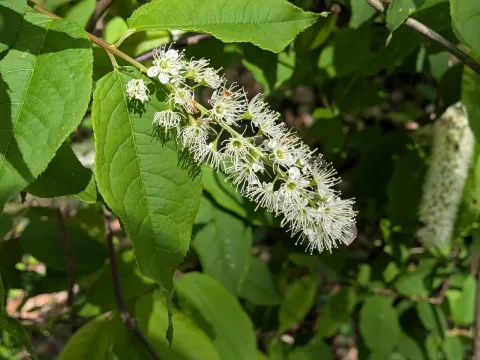
Gray's bird cherry
Prunus grayana
Gray's bird cherry (Prunus grayana) is a deciduous tree species belonging to the Rosaceae family. Native to Japan, this plant is well-regarded for its elegant structure and profuse seasonal flowering, making it a popular choice for botanical gardens.
What the section contains
Gray's bird cherry
The species requires deep, fertile, and well-drained soils to thrive. It performs best in locations that provide full sun to partial shade, ensuring the foliage remains healthy and the flowering process is consistent year after year.
Climatic adaptability is a significant factor in cultivation, as the tree requires protection from harsh, drying winds. Adequate moisture levels must be maintained, especially during the establishment phase and the mid-summer heat.
Cultural practices include spring pruning to maintain the desired shape and improve air circulation within the canopy. Annual mulching with organic material helps maintain soil temperature and moisture levels, which supports root development.
The tree serves primarily as an ornamental specimen in landscaping. Its aesthetic appeal during the spring bloom makes it an excellent addition to parks, urban green spaces, and private gardens focused on biodiversity.
Like many species in the Prunus genus, Gray's bird cherry is susceptible to fungal diseases such as brown rot and leaf spot. These pathogens can significantly impair the foliage and weaken the overall structure of the tree if left untreated.
Insects such as aphids and various species of leaf-eating caterpillars are the primary pests of concern. These pests can cause significant defoliation and hinder the growth of young, developing shoots during the spring.
Integrated Pest Management (IPM) strategies are recommended for the maintenance of this culture. This includes regular scouting for pests and the application of targeted insecticides only when the damage threshold is exceeded.
Sanitation is a vital preventive measure; removing fallen leaves and pruning dead wood helps reduce the inoculum of fungal spores in the environment. Keeping the site clean reduces the risk of recurring infestations.
Ensuring the tree is not under water stress is critical for its resilience. Healthy, well-nourished trees demonstrate a significantly higher tolerance to pests and diseases compared to those growing in suboptimal soil conditions.