
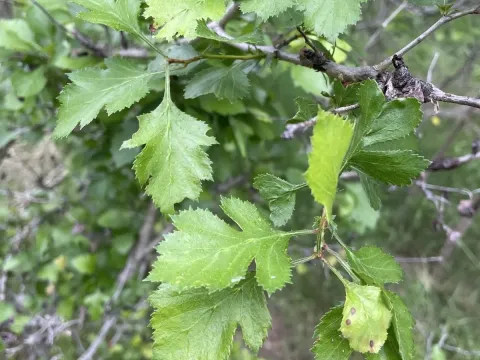
Green hawthorn
Crataegus viridis
Propagation of the Green Hawthorn is typically achieved through seeds or grafting specific cultivars onto rootstocks. Seeds exhibit a complex dormancy cycle, which necessitates a prolonged period of stratification at low temperatures to ensure successful germination.
What the section contains
Green hawthorn
Sowing prepared seeds is most effective in late autumn, allowing the natural cold cycle to break seed dormancy over the winter. Spring sowing may result in lower germination rates, often requiring greenhouse intervention to achieve consistent results.
Planting saplings into the field should occur in early spring before active growth begins or during the autumn dormant period. It is vital to provide ample spacing between specimens to allow for the development of a spreading canopy and mature root structure.
At the time of planting, incorporating organic matter such as compost into the soil helps establish a healthy root system. Ensuring that the root collar remains at ground level is essential for preventing future decay or structural weakness.
Once planted, providing deep initial irrigation and applying a layer of organic mulch around the base effectively conserves moisture and suppresses weed competition. Continued monitoring during the first year is crucial for young tree establishment.
As a member of the Rosaceae family, the Green Hawthorn is a resilient plant that thrives in well-lit environments. Full sun exposure is recommended to promote optimal flowering, fruit production, and overall plant vigor throughout the growing season.
The species displays high tolerance to various urban conditions, including atmospheric pollution, making it a valuable addition to landscape architecture. It is moderately drought-tolerant once established but benefits significantly from consistent soil moisture.
This tree performs best in well-drained loam soils with a slightly acidic to neutral pH level. While it can adapt to heavy clay, providing adequate drainage is necessary to prevent root rot and other moisture-related health issues.
Maintenance includes the application of balanced fertilizers early in the spring to support new foliage and blossom development. Careful monitoring of nutrient levels ensures the tree maintains its decorative and ecological potential.
Native to North America, the Green Hawthorn is well-adapted to temperate climates and demonstrates excellent winter hardiness. Its ability to withstand seasonal temperature fluctuations makes it a versatile choice for various geographic regions.
Powdery mildew is a primary fungal threat, appearing as a white dusting on leaves and causing potential foliage loss. Maintaining good air circulation within the canopy through proper pruning is an essential preventative cultural practice.
Rust diseases are also common in this species, manifesting as discolored spots on leaves and stems. Applying copper-based fungicides or other appropriate systemic treatments during early spring can significantly reduce the risk and spread of these infections.
Pests such as aphids and leaf-eating beetles can cause stress to the plant by extracting sap or damaging leaf tissues. Using target-specific insecticides is recommended if infestations reach a level that threatens the vitality of the tree.
Scale insects and bark beetles may inhabit the trunk and limbs, leading to long-term decline if left unmanaged. Regular inspection of the tree's bark and branches is necessary for early detection and mitigation of these destructive insects.
Overall plant health is the best defense against threats. Providing adequate water, proper nutrients, and performing regular sanitary pruning ensures the tree remains robust and resistant to opportunistic diseases and pests throughout its lifecycle.