
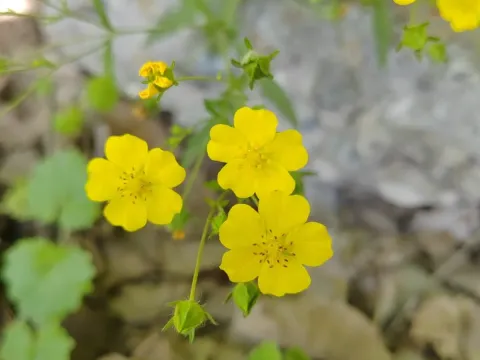
Golden-flowered cinquefoil
Potentilla chrysantha
The golden-flowered cinquefoil (Potentilla chrysantha) belongs to the Rosaceae family. This perennial herbaceous plant is native to the temperate regions of Eurasia, where it typically inhabits open meadows, steppes, and forest margins.
What the section contains
Golden-flowered cinquefoil
This crop prefers well-drained, fertile soils. Loamy or sandy-loam compositions with a neutral to slightly alkaline pH are ideal for its development. Poor drainage often leads to root distress and decreased plant vitality.
As a light-loving species, Potentilla chrysantha requires full sun exposure to thrive. Sufficient solar radiation is critical for the plant to achieve its full potential, ensuring robust growth and consistent flowering during the season.
The species displays significant climatic resilience, particularly regarding cold tolerance. It is well-adapted to harsh winters and can survive periods of freezing temperatures, marking it as a suitable candidate for various temperate cultivation zones.
Agronomic management involves regular soil aeration and weed control. Minimal intervention is required once the plant is established, although timely nutrient supplementation with potassium and phosphorus helps maintain strong growth.
Powdery mildew is a primary concern in humid conditions. This fungal disease creates a white dusting on the foliage, which can be mitigated through proper plant spacing to ensure adequate air circulation around the plants.
Leaf spot diseases frequently emerge during prolonged periods of wet weather. Managing leaf density and removing affected plant debris are essential preventive strategies to curb the spread of fungal pathogens.
Aphids and spider mites are common pests that target the leaves and shoots of the plant. Monitoring for early signs of infestation is vital, as these pests can cause significant physiological stress if left unchecked.
Root rot represents a serious threat caused primarily by poor soil management and over-irrigation. Ensuring a structured irrigation plan and a well-draining environment is the best defense against underground pathogens.
Integrated pest management (IPM) practices, including the use of biological control agents and resistant varieties where possible, are recommended to maintain a healthy crop without excessive reliance on chemical inputs.